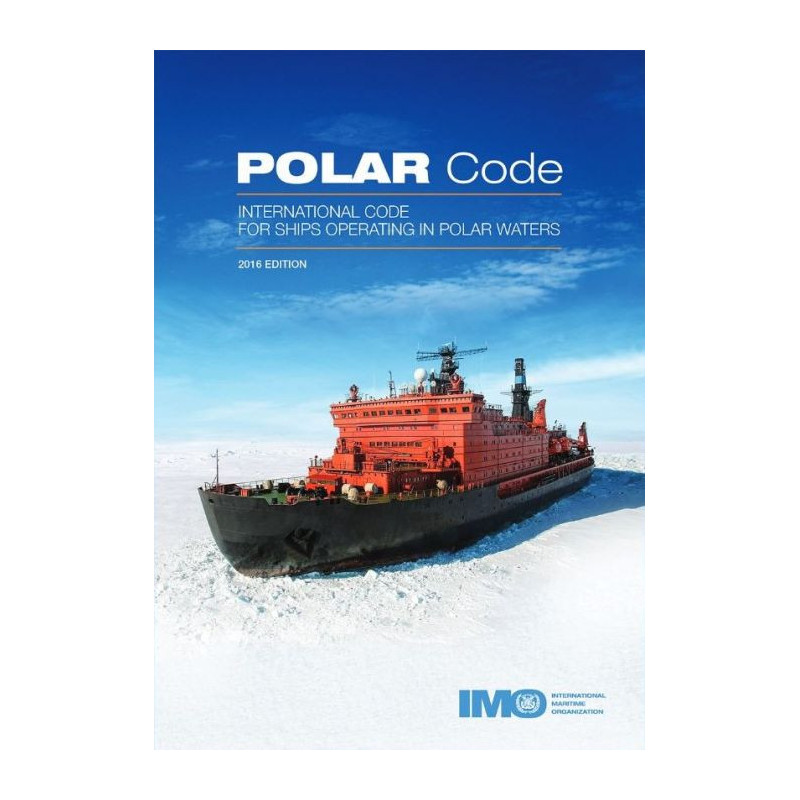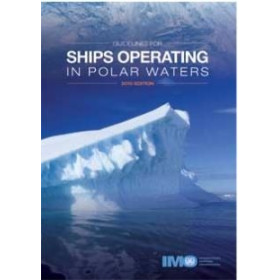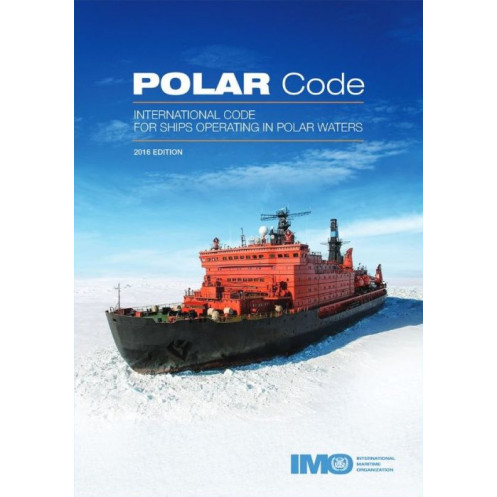





The 2016 Polar Code digital edition ensures safety and compliance for ships in polar waters. Covers SOLAS and MARPOL requirements for icy regions.
English, IMO e-Reader format.
Data sheet
Specific References
The IMO Polar Code 2016 Digital Edition establishes the international standard for vessels operating in the challenging and environmentally sensitive polar regions. Developed by the International Maritime Organization (IMO), this mandatory code addresses the unique risks of Arctic and Antarctic waters, where extreme conditions, limited infrastructure, and fragile ecosystems demand specialized regulations. By integrating with existing IMO instruments such as SOLAS and MARPOL, the Polar Code ensures a cohesive approach to maritime safety, operational efficiency, and environmental protection in some of the world’s most remote and hazardous waters.
Unlike conventional maritime regulations, the Polar Code adopts a risk-based methodology tailored to the specific dangers of polar navigation. It accounts for factors such as ice-covered waters, sub-zero temperatures, and inadequate hydrographic data, which can compromise vessel stability, propulsion, and crew safety. The code introduces mandatory requirements for ship design, equipment, and operational procedures, ensuring vessels are prepared to face polar-specific hazards. This proactive framework minimizes risks while promoting sustainable maritime activities in these pristine yet vulnerable regions.
Effective since January 1, 2017, the Polar Code applies to all vessels operating in polar waters, with staggered implementation timelines for new and existing ships. New vessels must comply immediately, while existing ships were required to meet the standards by 2020. The code categorizes vessels into three classes—A, B, and C—based on their ice-strengthening capabilities and operational limits. This classification ensures that ships are adequately equipped for their intended polar routes, whether navigating through thick first-year ice or thinner seasonal ice.
The Polar Code extends beyond technical requirements, emphasizing crew training and environmental stewardship. It mandates specialized training for personnel operating in polar waters, ensuring they possess the skills to handle emergencies, ice navigation, and extreme weather conditions. Additionally, the code reinforces pollution prevention measures, addressing risks such as oil spills, sewage discharge, and invasive species introduction. By prioritizing both safety and sustainability, the Polar Code sets a new benchmark for responsible maritime operations in polar regions.
Available in a secure digital format, the Polar Code 2016 Digital Edition offers immediate access to critical regulations for maritime professionals worldwide. Designed for use with the IMO’s free e-reader, this digital publication ensures compliance officers, ship operators, and crew members can reference the latest standards anytime, anywhere. The locked format guarantees the integrity of the content, making it an indispensable tool for vessels navigating polar waters.
Essential Digital Resource for Polar Maritime Compliance
The IMO Polar Code 2016 Digital Edition is the definitive regulatory framework for vessels operating in Arctic and Antarctic waters, addressing the unique challenges of polar navigation. Published in June 2016, this 84-page digital document integrates with SOLAS and MARPOL conventions to enforce mandatory safety, operational, and environmental standards. With a risk-based approach, it mitigates hazards such as ice navigation, extreme temperatures, and inadequate charting, ensuring vessels are equipped to handle polar conditions. The code applies to all ships in polar waters, with compliance mandatory since January 1, 2017, for new vessels and 2020 for existing ones.
Tailored Vessel Classification for Polar Operations
The Polar Code introduces three vessel categories—A, B, and C—based on ice-strengthening capabilities and operational limits. Category A ships are designed for medium first-year ice, including old ice inclusions, while Category B vessels handle thin first-year ice. Category C ships operate in open waters or less severe ice conditions. This classification ensures vessels are appropriately equipped for their intended routes, enhancing safety and operational efficiency in polar environments.
Secure and Accessible Digital Format
Delivered in a locked digital format compatible with the IMO’s free e-reader, the Polar Code 2016 Digital Edition provides instant access to critical regulations. This secure format ensures content integrity while offering maritime professionals a portable, searchable resource for compliance. Whether for ship operators, compliance officers, or crew training, this digital publication is an indispensable tool for navigating polar waters safely and sustainably.
The IMO Polar Code 2016 Digital Edition is an 84-page digital publication in English, published in June 2016. It became mandatory on January 1, 2017, for new vessels and 2020 for existing ships, with SOLAS and MARPOL amendments adopted in 2014 and 2015, respectively. The code classifies vessels into three categories—A, B, and C—based on ice-strengthening capabilities. Available in a locked digital format for the IMO e-reader, it ensures secure and immediate access to polar navigation regulations.
With decades of expertise in maritime publications, this brand delivers authoritative regulatory resources for the global shipping industry. Specializing in digital and print formats, it provides essential compliance tools, including IMO conventions, safety codes, and environmental guidelines. Trusted by maritime professionals worldwide, its publications ensure vessels meet international standards while promoting safe and sustainable operations.
Existing ships must comply with the Polar Code starting January 1, 2020, while new ships were required to comply from January 1, 2017.
No, this digital publication is locked and can only be read using the free IMO e-reader software.
Category A ships are designed for medium first-year ice, Category B for thin first-year ice, and Category C for open waters or less severe ice conditions than A and B.
The SOLAS amendments were adopted in November 2014, and the MARPOL amendments were adopted in May 2015.
The mandatory training requirements under the STCW came into effect on July 1, 2018.
The 2016 edition contains 84 pages.
Yes, it applies to both the Arctic and Antarctic polar waters, addressing risks like difficult navigation and fragile ecosystems.
You might also like