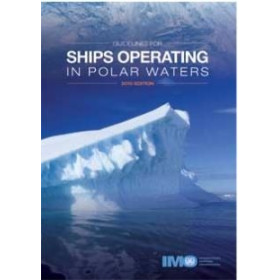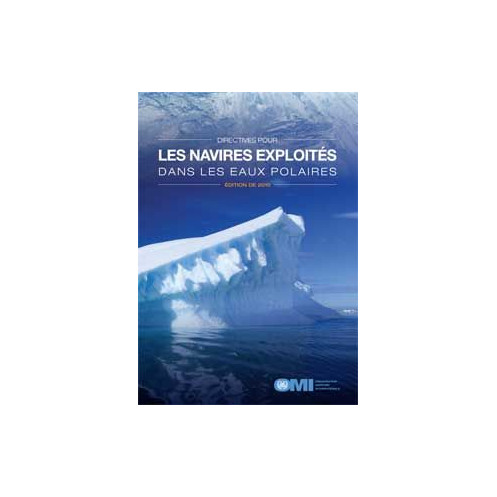





French digital guidelines for polar shipping, covering extreme weather, ice loads, and navigation risks. Essential for maritime authorities, shipbuilders, and operators in Arctic and Antarctic waters.
Data sheet
Specific References
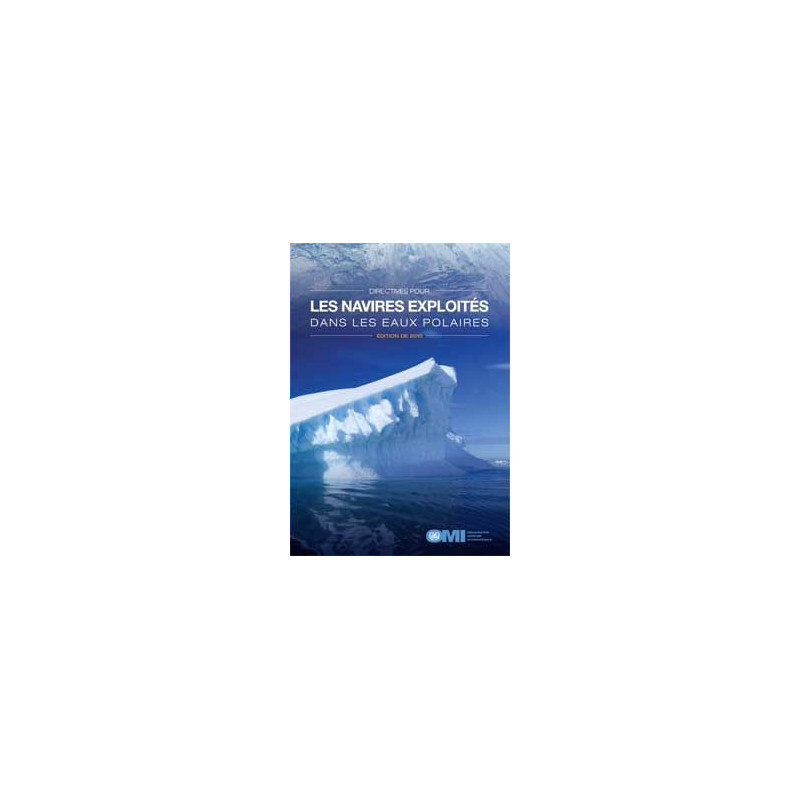
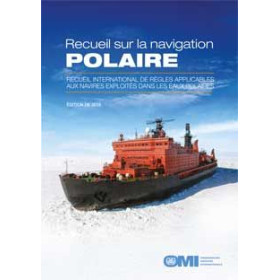
Navigating polar waters demands unparalleled expertise and adherence to rigorous safety standards. The IMO 190Fe – Guidelines for Ships Operating in Polar Waters provides critical directives tailored for vessels facing the extreme conditions of the Arctic and Antarctic. This digital publication delivers actionable insights to mitigate risks posed by harsh weather, limited navigational aids, subzero temperatures, and ice-induced structural stress. Designed for maritime professionals, it ensures compliance with international safety protocols while enhancing operational resilience in some of the world’s most challenging environments.
This digital guide establishes a structured approach to polar navigation, addressing the unique hazards that vessels encounter in icy waters. From ice loads on hulls to propulsion system vulnerabilities, the guidelines offer a systematic methodology to assess and manage risks. The document covers operational best practices, equipment performance in cold climates, and emergency response strategies, making it an indispensable resource for shipbuilders, maritime administrations, and cruise operators. By integrating these directives, stakeholders can align their operations with global safety benchmarks while safeguarding crew, passengers, and the environment.
Tailored for the maritime industry, this digital publication serves as a vital reference for shipowners, training institutes, and regulatory bodies. It bridges the gap between theoretical safety standards and real-world polar navigation challenges, providing clear, implementable solutions. Whether for newbuilds or retrofitting existing vessels, the guidelines ensure that all operational aspects—from structural integrity to crew preparedness—are optimized for polar conditions. This resource is particularly valuable for professionals seeking to enhance their compliance with evolving maritime regulations while maintaining operational efficiency in extreme environments.
Available as a secure digital download, this publication offers instant access to critical safety information, eliminating the delays associated with physical copies. The digital format ensures that maritime professionals can reference the guidelines anytime, anywhere, using the free dedicated reader. This accessibility is crucial for crews and operators who require immediate, reliable guidance while navigating polar waters. By leveraging digital technology, the publication supports the maritime industry’s shift toward more agile, responsive, and safety-focused operations.
While this edition remains a foundational resource, it is important to note that it has been superseded by the IMO Polar Code (IMO191E). However, the IMO 190Fe continues to serve as a historical and technical reference for understanding the evolution of polar safety standards. For professionals involved in maritime training, regulatory compliance, or vessel design, this document provides invaluable context and insights that remain relevant to current and future polar operations.
Navigate Polar Waters with Confidence
The IMO 190Fe – Guidelines for Ships Operating in Polar Waters is a digital publication designed to address the unique challenges of Arctic and Antarctic navigation. This essential resource provides maritime professionals with a robust framework to manage risks associated with extreme cold, ice accumulation, and limited navigational infrastructure. By offering clear, actionable directives, it ensures that vessels can operate safely and efficiently in some of the most demanding environments on Earth.
Engineered for Extreme Conditions
Polar waters present a host of hazards, from subzero temperatures that impair equipment performance to ice loads that stress hulls and propulsion systems. This digital guide delivers a comprehensive set of guidelines to mitigate these risks, covering everything from structural integrity to emergency response protocols. It is an indispensable tool for shipbuilders, maritime administrations, and operators who must comply with international safety standards while navigating these high-risk regions.
Tailored for Maritime Industry Professionals
This publication is specifically crafted for professionals in the maritime sector, including shipowners, training institutes, and regulatory bodies. It bridges the gap between theoretical safety standards and practical, real-world applications, offering solutions that are both implementable and effective. Whether used for new vessel designs or retrofitting existing ships, the guidelines ensure that all operational aspects are optimized for polar conditions, enhancing safety and compliance.
Secure and Instant Digital Access
Available as a secure digital download, this publication provides immediate access to critical safety information. The digital format ensures that maritime professionals can reference the guidelines anytime, anywhere, using the free dedicated reader. This accessibility is particularly valuable for crews and operators who need reliable, up-to-date information while navigating polar waters, supporting the industry’s move toward more agile and responsive operations.
The IMO 190Fe – Guidelines for Ships Operating in Polar Waters is a digital publication available in French. It is designed for secure access via a dedicated reader, ensuring that maritime professionals can reference the guidelines conveniently and efficiently. This digital format supports instant access to critical safety information, making it an ideal resource for vessels operating in polar regions.
With a legacy of setting global maritime standards, this organization is a leading authority in developing safety protocols and operational guidelines for the shipping industry. Its publications are trusted by maritime professionals worldwide, providing the technical foundation needed to navigate complex and high-risk environments safely and efficiently.
This publication has been replaced by the Polar Code, available under a different reference.
No, it is only readable using the free dedicated e-reader provided by the publisher.
They address risks such as extreme weather, lack of navigation aids, cold temperatures affecting equipment, and ice-induced stress on hulls and propulsion systems.
No, the digital format is locked and cannot be printed or shared.
The document is intended for maritime administrations, shipbuilders, shipping companies, cruise operators, and training institutes focused on polar safety.
The e-reader is compatible with most standard operating systems, but specific requirements should be verified on the publisher’s platform.
You might also like