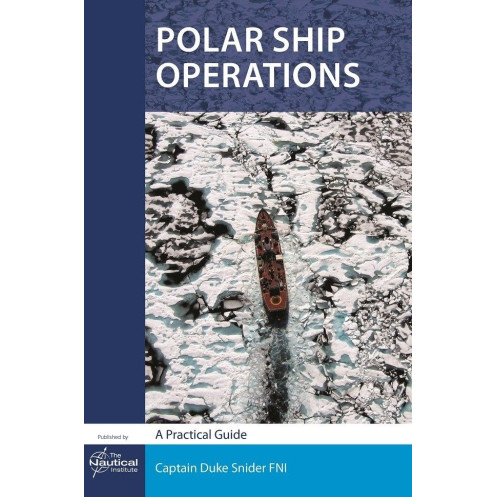



Navigate polar waters with confidence using this expert guide on ice operations, safety, and IMO Polar Code standards. Ideal for mariners tackling harsh Arctic and Antarctic environments.
Data sheet
Specific References
Navigate Polar Waters with Confidence
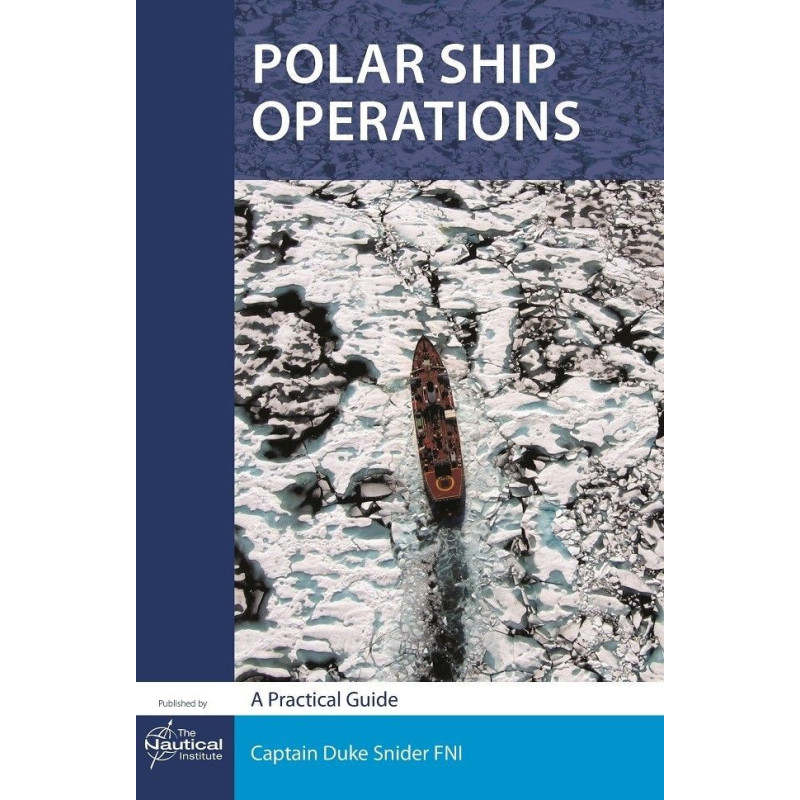
Polar Ship Operations is the definitive guide for maritime professionals tasked with navigating the world’s most challenging environments—ice-covered polar seas. As global interest in polar regions grows, so does the need for specialized expertise in operating vessels safely and efficiently in these remote and hazardous conditions. This book provides the critical knowledge and practical insights required to master polar navigation, from understanding ice dynamics to executing precise voyage planning in compliance with the IMO Polar Code.
Expert Guidance from a Polar Navigation Authority
Written by Captain Mark Bull FNI, a leading authority in polar expeditions and ice navigation, this guide distills decades of hands-on experience into actionable strategies. Captain Bull’s expertise covers the full spectrum of polar operations, including the unique challenges posed by multi-year ice, glacial formations, and the lack of external support in these isolated regions. The book emphasizes self-sufficiency, equipping mariners with the skills needed to operate independently in environments where assistance is often unavailable.
Fully Updated for the IMO Polar Code
The second edition of Polar Ship Operations has been meticulously revised to align with the IMO Polar Code, which became mandatory in 2017. This update ensures that maritime professionals have access to the latest regulatory requirements, safety protocols, and operational best practices for polar shipping. Whether you are involved in commercial shipping, scientific research, or icebreaking operations, this guide provides the tools to navigate polar waters while adhering to international standards.
Comprehensive Coverage of Polar Challenges
From extreme weather conditions to the absence of infrastructure, polar environments present a host of challenges that demand specialized knowledge. This book covers essential topics such as ice navigation techniques, risk assessment, voyage planning, and crew coordination. It also addresses the technical and environmental factors that influence polar operations, offering practical advice for mitigating risks and ensuring safe transit through ice-covered waters.
This essential guide for polar ship operations is presented in a paperback edition, weighing 390 grams. Published in 2018, the second edition reflects the latest updates to the IMO Polar Code and includes comprehensive revisions to ensure compliance with current regulations. Written entirely in English, this book is a must-have resource for maritime professionals seeking to enhance their expertise in polar navigation.
With a long-standing reputation for excellence in maritime education and professional development, this publisher is a trusted name in the industry. Known for producing high-quality, authoritative guides, their publications are widely used by maritime professionals worldwide to stay ahead of regulatory changes and operational challenges. Their commitment to providing up-to-date, practical resources makes them a go-to source for those navigating the complexities of modern shipping.
The latest edition is from 2018, and it includes updates to align with the IMO Polar Code introduced in 2017, ensuring compliance with current polar shipping regulations.
It explains the challenges of navigating multi-year and glacial ice, which are significantly harder than first-year ice, requiring specialized knowledge and self-sufficiency due to limited external assistance.
The author, Captain Mark Bull FNI, draws from extensive polar expedition experience and qualifications as an ice navigator to provide practical insights into polar ship operations.
Yes, it covers essential knowledge, skills, and awareness needed for polar operations, making it valuable for mariners transitioning to ice-covered waters.
The book addresses human, technical, environmental, and operational challenges, including voyage planning, execution, and risk management in ice-prone polar seas.
Yes, it emphasizes environmental challenges and best practices for minimizing impact while operating in sensitive polar ecosystems.
You might also like