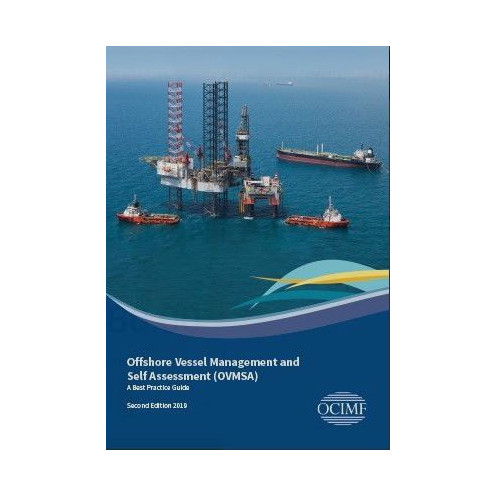



Boost offshore vessel safety and efficiency with this self-assessment tool. Covers technical, operational, and HSSE aspects to align with industry best practices and compliance standards.
Data sheet
Specific References
Elevate Your Offshore Vessel Operations with a Proven Self-Assessment Framework
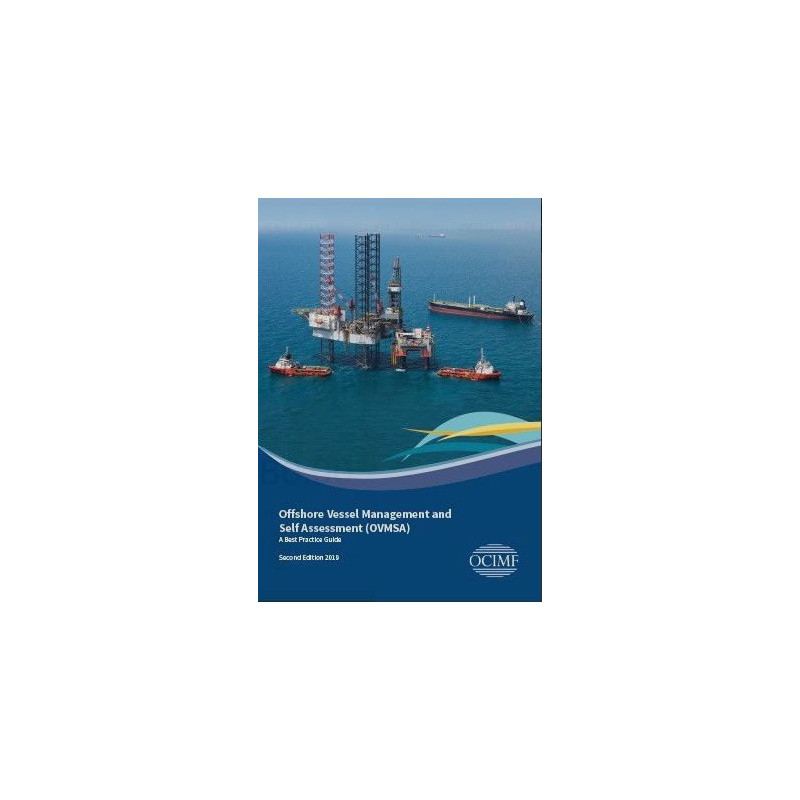
The *Offshore Vessel Management and Self Assessment* is a comprehensive tool designed to help offshore vessel operators systematically evaluate and improve their management systems. This publication offers a structured approach to assessing technical, operational, and HSSE (Health, Safety, Security, and Environment) performance, both onboard and ashore. By leveraging this guide, organizations can align their policies and procedures with industry best practices, ensuring compliance and operational excellence.
Four-Tiered Assessment System for Continuous Improvement
At the core of this publication is a robust self-assessment framework that includes a foundational level (Level 1) and three additional tiers of best practices. This system enables companies to measure their Safety Management System (SMS) against key performance indicators (KPIs), identify areas for improvement, and implement corrective actions. The process is supported by an online tool for recording assessments and a database for sharing reports with charterers, enhancing transparency and accountability in the offshore sector.
Updated to Address Evolving Industry Challenges
The 2019 second edition of this guide has been meticulously updated to reflect the latest legislation, industry expectations, and emerging issues. Feedback from companies, industry bodies, and users has been incorporated to ensure the content remains practical and relevant. The publication covers thirteen critical elements, including leadership and SMS, crew recruitment and management, vessel reliability and maintenance, navigation safety, offshore operations, change management, incident reporting, and environmental and energy management.
Practical and User-Friendly Format
Presented in a durable hardcover format, this 80-page guide is designed for ease of use and longevity. Measuring 300 mm in height and 215 mm in width, it is compact yet comprehensive, making it an ideal reference for professionals in the field. Weighing 1.8 kg, it is portable enough for use in both office and onboard settings, ensuring accessibility whenever and wherever it is needed.
This publication is the second edition, released in 2019, and is presented in English. It features a hardcover binding, ensuring durability for frequent use. The guide spans 80 pages and measures 300 mm in height and 215 mm in width, with a weight of 1.8 kg, making it a practical and portable resource for maritime professionals.
With decades of expertise in the maritime industry, the organization behind this publication is a globally recognized authority in setting standards for safety, security, and environmental performance. Their guidelines and tools are trusted by professionals worldwide to enhance operational efficiency and compliance in the offshore and maritime sectors.
The self-assessment tool allows offshore vessel operators to evaluate, measure, and improve their management systems by comparing their Safety Management System (SMS) against key performance indicators (KPIs). It helps align policies and procedures with industry best practices.
The program outlines a minimum baseline level (Level 1) and three additional levels of best practices for continuous improvement.
The 2nd edition covers thirteen elements, including leadership, personnel management, vessel reliability, navigation safety, offshore operations, incident reporting, environmental management, and maritime security.
Yes, the program includes a database that allows operators to share their self-assessment reports with potential charterers.
The 2019 edition was updated to reflect current legislation, industry expectations, and emerging issues based on feedback from companies, industry bodies, and users.
No, the program, including the book and online tool, is available only in English.
The book has a height of 300 mm and a width of 215 mm, with a total of 80 pages.
You might also like