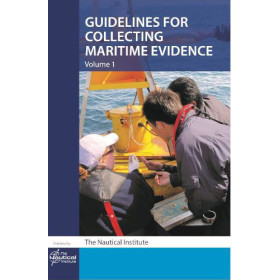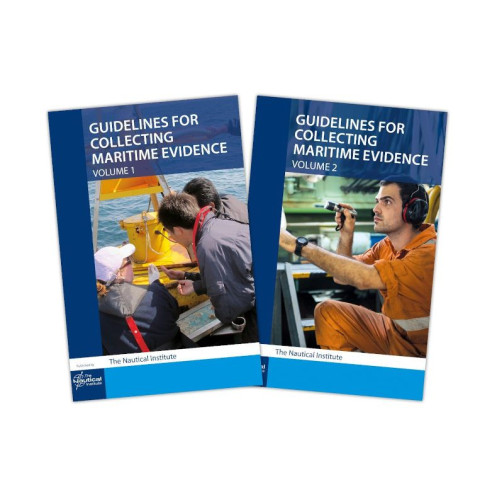



Master maritime incident investigations with expert guidelines on collecting and analyzing evidence. Includes electronic data, legal insights, and best practices for crews and officers.
Data sheet
Specific References
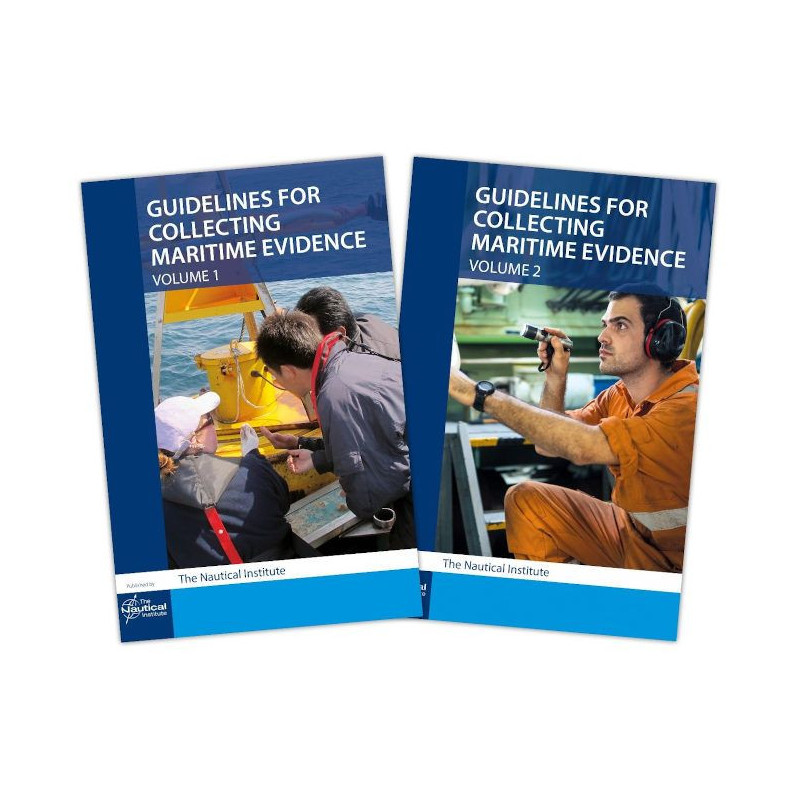
When a maritime incident occurs, the ability to collect, preserve, and present evidence effectively can make the difference between a swift resolution and prolonged legal complications. Guidelines for Collecting Maritime Evidence – Volumes 1 & 2 delivers authoritative, practical advice tailored for captains, officers, and crew members who must navigate the complexities of evidence gathering in high-pressure situations. This two-volume set is designed to equip maritime professionals with the knowledge and protocols needed to secure both traditional and electronic evidence, ensuring accuracy and reliability in investigations.
Volume 1 lays the foundation by addressing the core responsibilities of the captain and crew following an incident. It provides clear instructions on preserving traditional forms of evidence, such as logbooks, witness statements, and physical artifacts, while also exploring the nuances of arbitration and the "no-blame" approach to safety investigations. The volume incorporates perspectives from key stakeholders, including P&I insurers, maritime lawyers, claims experts, surveyors, and investigators, offering a well-rounded understanding of the legal and operational landscape.
Volume 2 shifts focus to the critical role of electronic evidence in contemporary maritime operations. With technologies like ECDIS, VDR, and AIS becoming indispensable, this volume guides professionals through the process of retrieving, analyzing, and leveraging digital data to reconstruct incidents with precision. It includes expert insights from naval architects, average adjusters, judges, and specialists in areas such as fires, mechanical failures, and cargo deterioration. The volume also addresses compliance with the ISM Code, ensuring that evidence collection aligns with international standards.
In the words of Judge Teare, electronic evidence "does not lie" and often provides the most compelling testimony in investigations. This two-volume set empowers maritime professionals to harness the full potential of both traditional and digital evidence, reducing risks and enhancing the integrity of post-incident procedures. Whether dealing with insurance claims, legal disputes, or safety audits, these guidelines serve as an indispensable tool for ensuring transparency and accountability in the maritime industry.
Unmatched Expertise for Maritime Evidence Collection
In the aftermath of a maritime incident, the quality of evidence collected can determine the outcome of investigations, insurance claims, and legal proceedings. Guidelines for Collecting Maritime Evidence – Volumes 1 & 2 is the definitive resource for maritime professionals, offering step-by-step guidance on gathering, preserving, and presenting evidence with precision. Designed for captains, officers, and crew members, this two-volume set combines practical protocols with expert insights to ensure compliance with international standards and best practices.
Volume 1: Foundations of Evidence Collection
Volume 1 focuses on the immediate actions required after an incident, detailing the captain’s responsibilities and the preservation of traditional evidence such as logbooks, photographs, and witness statements. It also explores the role of arbitration, the "no-blame" approach to safety investigations, and the perspectives of P&I insurers, maritime lawyers, and claims experts. This volume ensures that professionals understand the legal and operational frameworks governing evidence collection, reducing the risk of errors that could compromise investigations.
Volume 2: Harnessing the Power of Electronic Evidence
Volume 2 delves into the critical role of electronic evidence in modern maritime operations. Covering technologies like ECDIS, VDR, and AIS, it provides detailed instructions on retrieving, analyzing, and utilizing digital data to reconstruct incidents accurately. The volume includes contributions from naval architects, average adjusters, and judges, as well as specialized guidance on handling fires, mechanical failures, and cargo deterioration. It also addresses ISM Code compliance, ensuring that evidence collection meets international regulatory requirements.
Proven Reliability for Maritime Professionals
With a combined total of 160 pages, this two-volume set is a compact yet comprehensive resource for maritime professionals. Updated to reflect the latest industry standards, including the 2025 edition of Volume 1, it is an essential tool for anyone involved in maritime operations, investigations, or legal proceedings. By following these guidelines, professionals can ensure that evidence is collected efficiently, preserved securely, and presented effectively, minimizing risks and maximizing the chances of a favorable outcome.
This two-volume set, Guidelines for Collecting Maritime Evidence, is a printed publication in English, featuring a total of 160 pages. Volume 1 is in its 2nd edition (2017/2025), while Volume 2 is in its 1st edition (2019). The combined weight of the books is 390 grams, making it a portable and practical resource for maritime professionals.
The publisher behind this authoritative resource is a globally recognized organization dedicated to advancing professional standards in the maritime industry. With a focus on safety, best practices, and continuous learning, it provides essential guidance to maritime professionals worldwide, ensuring they are equipped to handle the challenges of modern shipping operations.
The guidelines cover both traditional evidence, such as logbooks and witness statements, and electronic evidence, including data from ECDIS, VDR, and AIS systems.
Yes, Volume 2 focuses exclusively on electronic evidence, including its recovery, analysis, and use in visually reconstructing maritime incidents.
The guidelines include perspectives from P&I insurers, maritime lawyers, claims experts, surveyors, investigators, naval architects, judges, and adjusters.
Yes, Volume 2 includes a section dedicated to ISM compliance investigations and their role in maritime incident analysis.
The latest edition of Volume 1 was published in 2025, marking its second edition.
The combined volumes contain a total of 160 pages.
Yes, the guidelines provide detailed advice on preserving and presenting evidence, making them valuable for legal and arbitration contexts.
You might also like