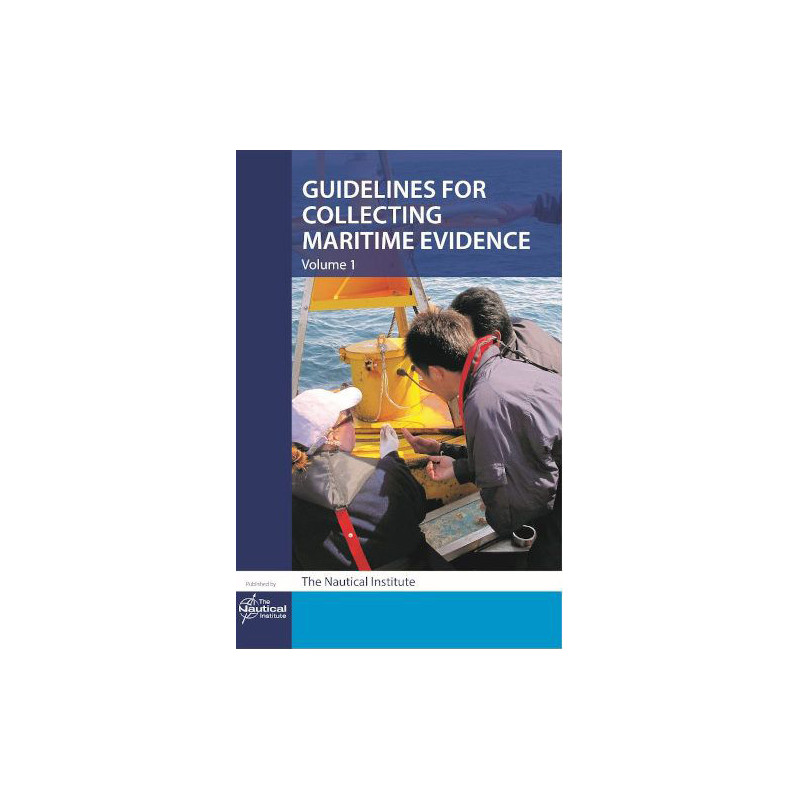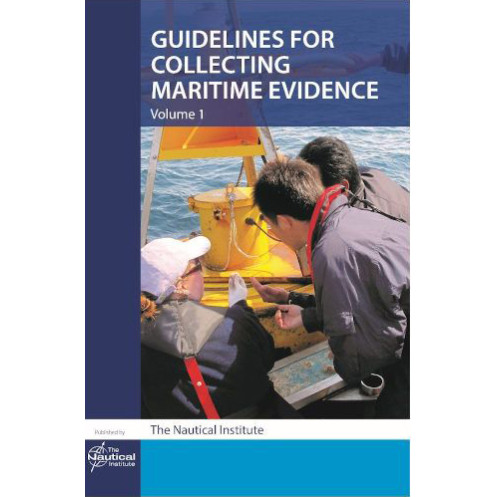



A vital guide for mariners on gathering and preserving critical evidence after maritime incidents. Ensure accuracy and compliance with expert insights and best practices.
Data sheet
Specific References
In the high-stakes world of maritime operations, the ability to collect and preserve evidence effectively can mean the difference between a resolved incident and a costly legal dispute. The Mariner's Role in Collecting Evidence is a specialized resource designed to equip mariners with the knowledge and protocols needed to handle evidence collection with precision and confidence. Whether dealing with accidents, near-misses, or compliance audits, this book provides a structured approach to documenting critical information that stands up to scrutiny.
This book goes beyond theoretical concepts, offering actionable strategies for gathering evidence in diverse maritime situations. From vessel collisions and cargo damage to environmental incidents and crew disputes, it outlines step-by-step procedures for securing physical evidence, digital records, witness statements, and photographic documentation. The guidance is tailored to the unique challenges of the maritime environment, where time, weather, and operational constraints demand efficiency without compromising accuracy.
With maritime regulations growing increasingly stringent, the ability to collect evidence systematically is a cornerstone of risk management. This resource aligns with industry standards and best practices, ensuring that mariners can support investigations, insurance claims, and legal proceedings with well-documented, admissible evidence. It also addresses the human factors that influence evidence collection, such as stress, fatigue, and communication barriers, providing strategies to overcome these obstacles.
Whether you're an officer of the watch, a chief mate, or a captain, this book serves as an indispensable reference for navigating the complexities of evidence collection. It is equally valuable for maritime training programs, safety officers, and legal teams seeking to reinforce their understanding of maritime incident protocols. The clear, concise language and practical examples make it accessible to professionals across the industry, regardless of experience level.
Engineered for the demands of life at sea, this paperback edition is lightweight and compact, making it easy to store in a ship's library or carry on deck. The durable binding and high-quality paper ensure it withstands the rigors of maritime environments, while the illustrated content enhances comprehension. With 180 pages of expert guidance, it is a resource you can rely on when it matters most.
Master the Art of Evidence Collection at Sea
In the maritime industry, the difference between a well-managed incident and a legal nightmare often comes down to one critical skill: the ability to collect evidence effectively. The Mariner's Role in Collecting Evidence is the definitive guide for seafarers tasked with documenting incidents, accidents, and operational discrepancies with precision and professionalism. This book is not just a manual—it’s a strategic tool designed to protect vessels, crews, and companies by ensuring that every piece of evidence is gathered, preserved, and presented in a way that meets industry standards and legal requirements.
From Theory to Practice: A Seafarer’s Blueprint
This resource bridges the gap between theoretical knowledge and real-world application, offering mariners a clear, step-by-step framework for evidence collection in high-pressure situations. Whether you’re dealing with a collision, a cargo claim, an environmental violation, or a crew dispute, the book provides tailored guidance on securing physical evidence, digital records, witness statements, and photographic documentation. It addresses the unique challenges of the maritime environment, such as limited time, adverse weather conditions, and operational constraints, ensuring that evidence is collected efficiently without sacrificing accuracy or completeness.
Compliance, Risk Management, and Beyond
With maritime regulations becoming increasingly stringent, the ability to collect and preserve evidence is no longer optional—it’s a cornerstone of risk management. This book aligns with global maritime standards, offering protocols that support investigations, insurance claims, and legal proceedings. It also delves into the human factors that can impact evidence collection, such as stress, fatigue, and communication barriers, providing practical strategies to mitigate these challenges. By following the guidelines in this book, mariners can ensure that their evidence is admissible, reliable, and defensible in any forum.
Built for the Demands of Life at Sea
Designed with the realities of maritime operations in mind, this paperback edition is lightweight (430 g) and compact (240 x 160 x 10 mm), making it easy to store in a ship’s library or carry on deck. The durable binding and high-quality paper ensure it can withstand the harsh conditions of life at sea, while the 180 pages of expertly curated content provide a wealth of knowledge at your fingertips. Illustrated with photos and written in clear, accessible English, it’s a resource that mariners can turn to in critical moments, whether they’re seasoned professionals or new to the industry.
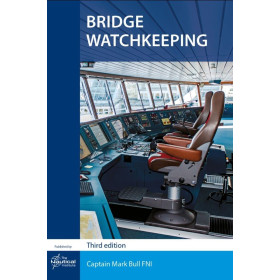
This 2021 third edition of The Mariner's Role in Collecting Evidence is a 180-page paperback guide, meticulously crafted for maritime professionals. Weighing just 430 grams and measuring 240 x 160 x 10 mm, it is designed for easy handling and storage onboard. Authored by Captain Mark Bull FNI, this resource features practical illustrations and is written entirely in English to ensure clarity and accessibility for seafarers worldwide.
With decades of expertise in maritime safety and professional development, this publisher is a trusted authority in the shipping industry. Their publications are widely recognized for their technical rigor, practical insights, and alignment with global maritime standards, making them essential resources for seafarers, training institutions, and maritime organizations worldwide.
The guide provides detailed procedures for collecting evidence related to maritime incidents, including navigational data, witness statements, logbook entries, and physical evidence from onboard systems or external sources.
Yes, it serves as a comprehensive resource for newly qualified watchkeepers while also offering best practices and refresher guidance for experienced mariners handling evidence collection.
While the book focuses on practical procedures, it references real-world scenarios to illustrate common pitfalls and effective evidence preservation techniques in maritime operations.
Yes, it includes protocols for securing and documenting data from ECDIS, AIS, VDRs, and other electronic systems to ensure admissibility in investigations.
It emphasizes the impact of fatigue, stress, and situational awareness on evidence gathering, providing strategies to mitigate errors and ensure accuracy during high-pressure incidents.
Absolutely, it is designed as a self-training tool and can be integrated into onboard training programs to prepare crews for evidence collection during emergencies or investigations.
You might also like