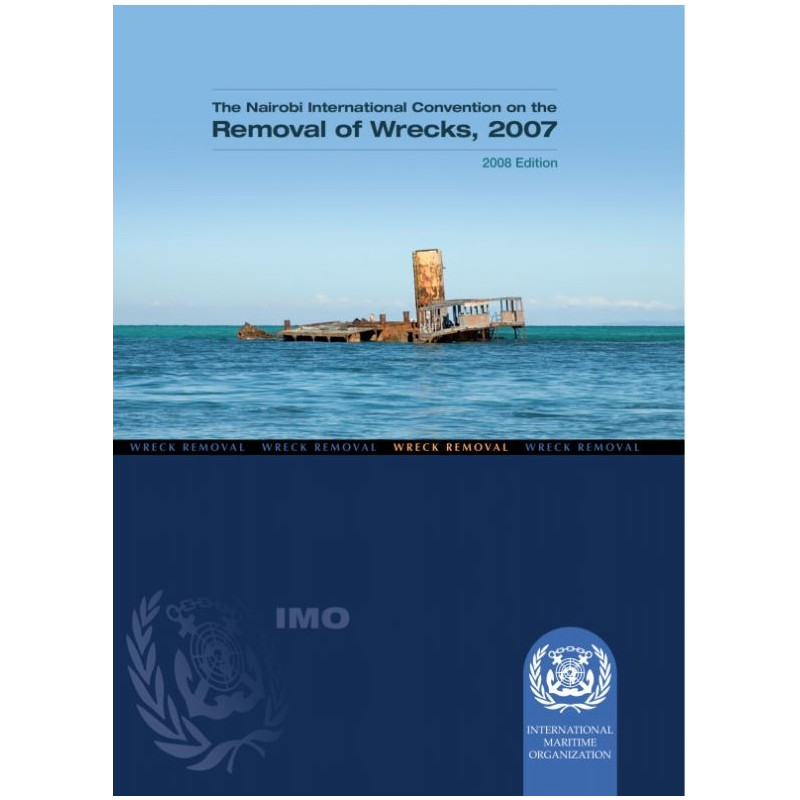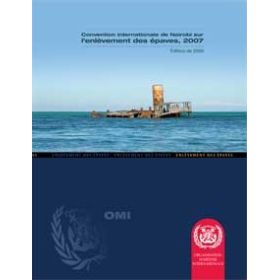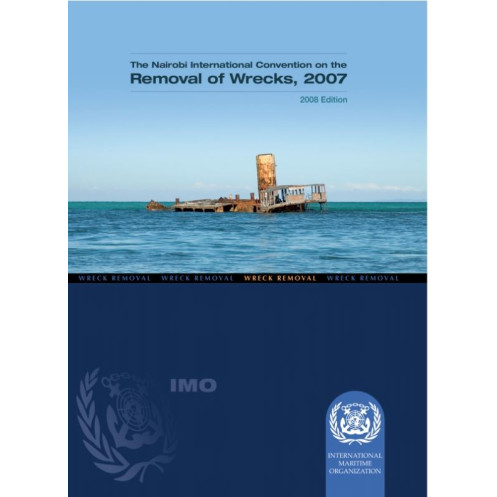



Nairobi Wreck Removal Convention 2007 paperback edition. Covers legal protocols for wreck removal, liability, and insurance rules.
Essential for maritime compliance and safety.
Data sheet
Specific References
The Nairobi International Convention on the Removal of Wrecks, 2007, stands as a cornerstone in international maritime law, addressing critical gaps in the legal framework governing wreck removal. Adopted on May 18, 2007, during the International Conference on Wreck Removal convened in Nairobi, this convention provides coastal states with the legal authority to remove—or mandate the removal of—wrecks that pose hazards to navigation, maritime safety, or the marine environment. By establishing clear protocols for reporting, locating, and assessing wrecks, the convention ensures swift and effective action to mitigate risks in coastal and territorial waters.
This official publication outlines the convention’s robust provisions, including mandatory reporting requirements for vessels and wrecks, standardized criteria for evaluating the danger posed by wrecks, and detailed procedures for their removal. It also introduces a liability regime that holds shipowners financially accountable for the costs associated with locating, marking, and removing wrecks, reinforcing the "polluter pays" principle. To further safeguard maritime operations, the convention mandates that registered shipowners maintain compulsory insurance or other financial guarantees to cover potential liabilities, ensuring that resources are readily available in the event of an incident.
The convention enters into force twelve months after ratification by ten states, reflecting its widespread recognition as a vital tool for maritime governance. Beyond its legal text, this publication includes the Final Act of the Nairobi Conference and three key resolutions: expressions of gratitude to the host nation, guidelines for compulsory insurance certificates under existing maritime liability conventions, and initiatives to promote technical cooperation and assistance. These elements underscore the convention’s role in fostering international collaboration and capacity-building among states.
Tailored for maritime authorities, legal experts, shipowners, insurers, and environmental agencies, this publication serves as an indispensable reference for navigating the complexities of wreck removal. Its clear, structured presentation of legal obligations, operational guidelines, and financial responsibilities makes it a critical resource for ensuring compliance and enhancing maritime safety. Whether for policy development, risk assessment, or operational planning, this document provides the authoritative guidance needed to address the challenges posed by wrecks in a coordinated and effective manner.
Strengthening Maritime Safety with the Nairobi International Convention on the Removal of Wrecks, 2007
In an industry where safety and environmental protection are paramount, the Nairobi International Convention on the Removal of Wrecks, 2007 emerges as a pivotal legal instrument, bridging critical gaps in international maritime law. This official publication, adopted on May 18, 2007, during the International Conference on Wreck Removal in Nairobi, equips coastal states with the legal tools to address the growing threat posed by wrecks in their waters. By establishing a standardized framework for wreck removal, the convention ensures that hazards to navigation, maritime safety, and the marine environment are managed efficiently and effectively.
A Legal and Operational Blueprint for Wreck Removal
At the heart of this convention lies a comprehensive set of provisions designed to streamline the process of wreck removal. Coastal states gain the authority to remove—or require the removal of—wrecks that pose a danger, with clear guidelines for reporting, locating, and assessing these hazards. The convention introduces a liability regime that holds shipowners accountable for the costs of locating, marking, and removing wrecks, reinforcing financial responsibility in the maritime sector. To further enhance preparedness, the convention mandates that registered shipowners maintain compulsory insurance or other financial guarantees, ensuring that funds are available to cover potential liabilities. This proactive approach minimizes delays and ensures that wrecks are addressed promptly, reducing risks to navigation and the environment.
Global Collaboration and Compliance
The convention’s entry into force, triggered twelve months after ratification by ten states, reflects its global significance and the urgent need for coordinated action. This publication not only reproduces the full text of the convention but also includes the Final Act of the Nairobi Conference and three key resolutions. These resolutions address expressions of gratitude to the host nation, guidelines for compulsory insurance certificates under existing maritime liability conventions, and initiatives to promote technical cooperation and assistance. Together, these elements highlight the convention’s role in fostering international collaboration, capacity-building, and the sharing of best practices among states.
An Indispensable Resource for Maritime Professionals
Weighing 1.8 kg and presented in a printed format, this publication is an essential resource for maritime authorities, legal experts, shipowners, insurers, and environmental agencies. Its clear and structured presentation of legal obligations, operational procedures, and financial responsibilities makes it a go-to reference for ensuring compliance and enhancing maritime safety. Whether used for policy development, risk assessment, or operational planning, this document provides the authoritative guidance needed to navigate the complexities of wreck removal and protect coastal and marine environments.
This official publication of the Nairobi International Convention on the Removal of Wrecks, 2007, is presented in a printed format, ensuring durability and ease of reference for maritime professionals. Published in 2008, the document is written entirely in English and weighs 1.8 kg, making it a substantial yet manageable resource for legal, operational, and environmental applications in the maritime sector.
With a long-standing reputation in the maritime industry, this publisher is recognized for producing authoritative and legally binding publications that support international maritime law. Their works are trusted by governments, maritime authorities, and industry professionals worldwide, serving as essential references for compliance, policy development, and operational guidance in the global maritime sector.
The convention provides a legal framework for states to remove or have removed wrecks that pose a hazard to navigation safety or the marine environment from their coasts and coastal waters.
It includes provisions on reporting and locating ships and wrecks, criteria for determining hazards posed by wrecks, measures to facilitate wreck removal, and the registered shipowner’s liability for costs related to locating, marking, and removing wrecks.
The convention enters into force twelve months after ten states have either signed it without reservation or deposited their instruments of ratification.
Yes, the registered owner of a ship must maintain compulsory insurance or other financial security to cover liability under the convention.
The publication includes the Final Act of the Conference and three resolutions on expressions of gratitude, certificates of compulsory insurance under existing maritime liability conventions, and promoting technical cooperation and assistance.
Yes, a locked digital version is available and can be read using the free IMO e-reader.
The publication is available in English.
You might also like