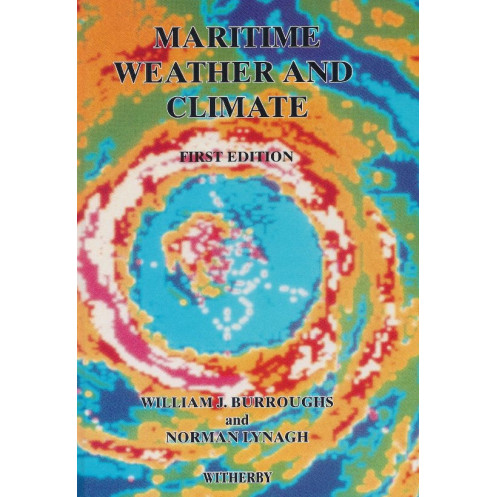




Master maritime weather and climate with this expert guide. Understand meteorology, forecasting, and climate impacts to navigate safely and reduce risks at sea.
Essential for professionals.
Data sheet
Specific References
Unlock the Secrets of Maritime Weather with This Essential Guide
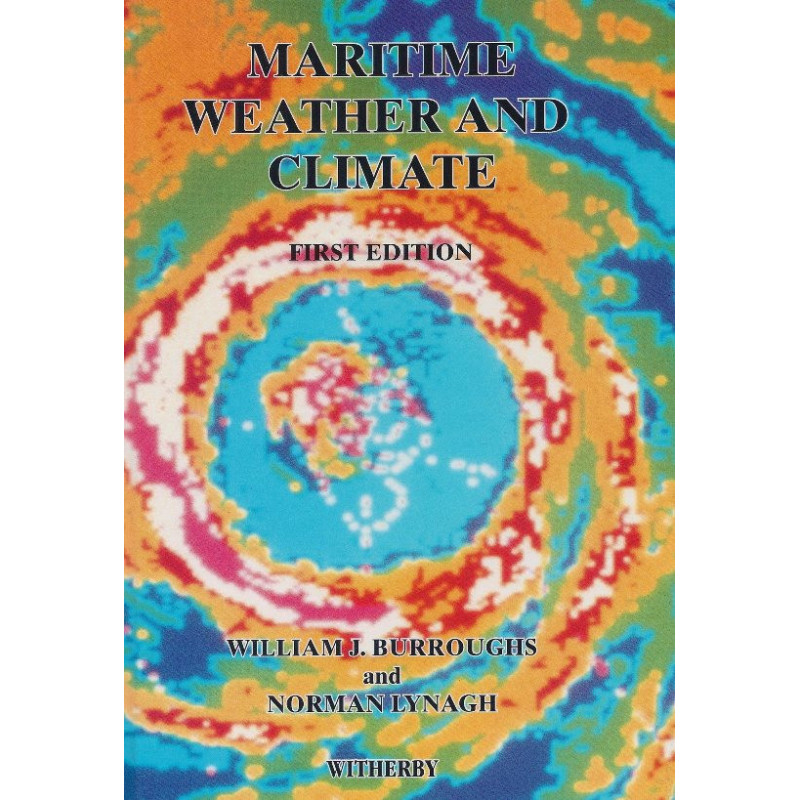
In an industry where the difference between success and disaster often hinges on weather conditions, *Maritime Weather and Climate* stands as an indispensable resource for maritime professionals. This hardback edition, published in December 1998, is a meticulously crafted guide that combines scientific rigor with practical insights, making it a must-have for anyone responsible for navigating, insuring, or managing maritime operations. Weighing 1.5 kg and spanning 212 pages, this first-edition volume is designed to be both a reference tool and a learning companion for those who need to master the complexities of weather and climate at sea.
From Fundamentals to Advanced Applications
This book doesn’t just cover the basics—it delves into the advanced principles of meteorology and climatology that directly impact maritime operations. Written by William J. Burroughs and Norman Lynagh, two authorities in the field, it provides a comprehensive overview of atmospheric dynamics, oceanic interactions, and the tools used to predict and interpret weather patterns. Whether you’re studying the behavior of tropical cyclones, analyzing the impact of El Niño, or learning how to read synoptic charts, this guide offers clear explanations and real-world applications to help you make informed decisions on the water.
Technology and Innovation in Weather Forecasting
The maritime industry has evolved, and so have the tools available for weather prediction. *Maritime Weather and Climate* explores the latest advancements in technology that are transforming how professionals monitor and respond to weather conditions. From satellite imagery that tracks storm development in real time to supercomputers that run sophisticated weather models, this book highlights the innovations that are making maritime operations safer and more efficient. It also covers the role of automated buoys and other monitoring systems, which provide critical data to vessels at sea, enabling crews to avoid hazards and optimize their routes.
Climate Change: Navigating a New Reality
Climate change is reshaping the maritime landscape, bringing new challenges and uncertainties. This book addresses the ways in which rising sea levels, shifting weather patterns, and extreme weather events are impacting the industry. It provides a forward-looking perspective on how maritime professionals can adapt to these changes, from adjusting shipping routes to enhancing vessel design. By understanding both short-term weather forecasts and long-term climate trends, readers can better prepare for the future and mitigate the risks associated with a changing environment.
A Practical Tool for Maritime Professionals
More than just a theoretical exploration, *Maritime Weather and Climate* is a practical guide designed to be used in real-world scenarios. It offers actionable advice on interpreting weather forecasts, planning routes to avoid adverse conditions, and understanding the limitations of weather data. Whether you’re a ship’s officer, a marine insurer, or a logistics planner, this book provides the knowledge and tools to enhance safety, efficiency, and decision-making in your operations. Its durable hardback format ensures it will withstand the rigors of life at sea, making it a reliable companion for years to come.
This authoritative guide is presented in a durable hardback format, ensuring longevity even in demanding maritime environments. With 212 pages of in-depth content, it weighs 1.5 kg, making it a substantial yet manageable resource for professionals. Published in December 1998 as a first edition, this book is written entirely in English and serves as a foundational reference for understanding the complexities of maritime weather and climate.
For over a century, this publisher has been a trusted name in maritime literature, providing high-quality, expertly curated resources for professionals in the shipping and marine insurance industries. Known for their commitment to accuracy, practicality, and innovation, their publications are designed to meet the evolving needs of the maritime sector, offering reliable guidance on critical topics such as weather, navigation, and safety.
The guide examines extreme weather conditions, including their formation, impact on maritime operations, and strategies to mitigate risks associated with them.
Yes, it covers the use of satellites, supercomputers, and automated buoys for weather forecasting and minimizing climate-related threats.
It discusses the effects of climate change, including long-term trends, shifting weather patterns, and their implications for maritime safety and planning.
Yes, it provides insights into meteorology, climatology, and risk assessment, making it valuable for maritime and insurance professionals.
The book has 212 pages and is bound in a hardback format for durability.
The book includes analyses of real-world scenarios, such as the influence of El Niño, to illustrate key concepts in maritime weather and climate.
You might also like