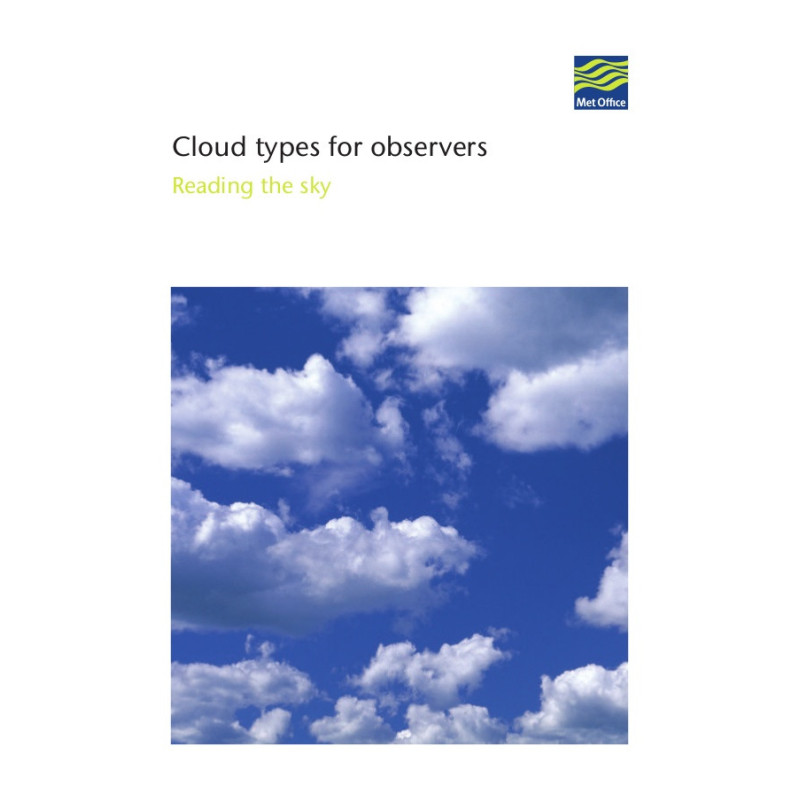



Identify clouds like a pro with this illustrated guide. Covers classifications, species, and structures, making it a must-have for weather observers and sailing enthusiasts.
Data sheet
Specific References
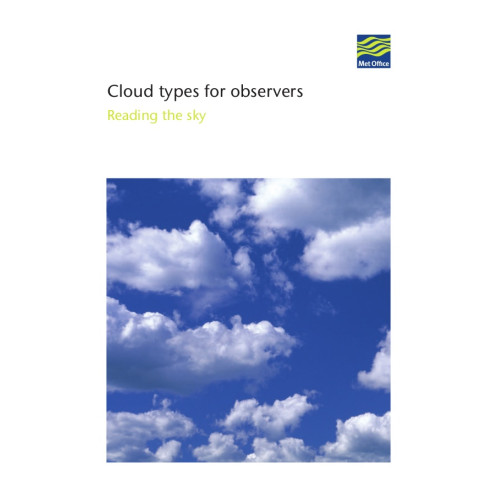
Master the skies with *Cloud Types for Observers*, the definitive reference for identifying and understanding cloud formations. Designed specifically for professionals in the merchant marine, this authoritative guide provides a comprehensive breakdown of cloud types, their structures, and their meteorological significance. Whether you're navigating open waters or monitoring weather patterns, this book equips you with the knowledge to interpret cloud formations accurately and make informed decisions at sea.
Developed by leading meteorological experts, this guide adheres to the internationally recognized cloud classification system, ensuring consistency and precision in observation. It covers all major cloud genera, species, and varieties, with detailed explanations of their physical characteristics, formation processes, and associated weather conditions. From towering cumulonimbus clouds signaling storms to wispy cirrus clouds indicating fair weather, this book helps you anticipate atmospheric changes with confidence.
Built to withstand the demands of maritime environments, *Cloud Types for Observers* features a sturdy paperback format that resists wear and tear. Its clear, concise layout includes high-quality illustrations and photographs, making it easy to compare real-world cloud formations with the examples provided. The book’s compact size ensures it fits seamlessly into your onboard reference library, ready for quick consultation during voyages.
As a key reference for meteorological training, this guide is widely used by maritime academies, shipping companies, and weather observation teams. It aligns with the standards set by the World Meteorological Organization (WMO), making it an indispensable tool for professionals who rely on accurate weather data. Whether you're a seasoned mariner or a trainee, this book enhances your ability to assess weather conditions and navigate safely.
Beyond its practical applications, *Cloud Types for Observers* deepens your understanding of atmospheric dynamics. Learn how clouds interact with wind patterns, temperature shifts, and pressure systems to influence weather at sea. This knowledge is critical for optimizing route planning, ensuring crew safety, and minimizing risks associated with adverse weather. Stay ahead of the elements with this trusted, field-tested guide.
Unlock the Secrets of the Sky with *Cloud Types for Observers*
Whether you're a maritime professional, weather enthusiast, or training for meteorological observation, *Cloud Types for Observers* is your go-to resource for mastering cloud classification. This authoritative guide, published by a leading meteorological authority, provides a detailed and systematic approach to identifying cloud types, their structures, and their implications for weather forecasting. With its clear explanations and practical insights, this book is an invaluable tool for anyone who needs to interpret the skies with precision.
Comprehensive Coverage of Cloud Formations
Dive into the world of clouds with this expertly crafted guide, which covers all major cloud genera, species, and varieties. From low-lying stratus clouds to high-altitude cirrus formations, each type is explained in detail, including its physical characteristics, formation processes, and the weather conditions it typically signals. The book’s structured approach ensures you can quickly and accurately identify clouds, whether you're observing from the deck of a ship or a coastal station.
Designed for Professionals in the Field
Built to meet the needs of maritime professionals, *Cloud Types for Observers* is both durable and practical. The paperback edition is lightweight at just 1.5 kg, making it easy to carry and store onboard. Its clear, concise layout includes high-quality illustrations and photographs, allowing for quick comparisons between real-world observations and the examples provided. This guide is an essential companion for anyone responsible for weather monitoring, route planning, or safety at sea.
Aligns with International Meteorological Standards
This guide adheres to the cloud classification standards set by the World Meteorological Organization (WMO), ensuring consistency and accuracy in your observations. It’s widely used in maritime training programs and by professionals who rely on precise weather data. Whether you're preparing for certification or enhancing your operational skills, this book provides the knowledge you need to make informed decisions based on cloud formations.
This essential guide to cloud classification is presented in a practical paperback format, weighing just 1.5 kg for easy portability. Written entirely in English, it is authored by a leading meteorological authority and is now in its third edition, published in October 2018. The book is also available in a digital SeaReader eBook format, offering flexibility for both field and desktop use.
With a legacy of expertise in meteorology and weather science, this publisher is a trusted name in providing authoritative resources for professionals and enthusiasts alike. Their publications are widely used in maritime, aviation, and meteorological training, ensuring accuracy and reliability in every guide. Known for their commitment to clarity and precision, their books are essential tools for those who depend on accurate weather observation and forecasting.
The physical edition weighs 1.5 kg.
No, this guide is only available in English.
This is the first edition, fourth impression.
Yes, it is available in SeaReader eBook format.
This edition was published in October 2018.
Yes, it includes detailed classification of cloud types, including genera and species.
Yes, it is designed for meteorological observers and enthusiasts alike.
You might also like