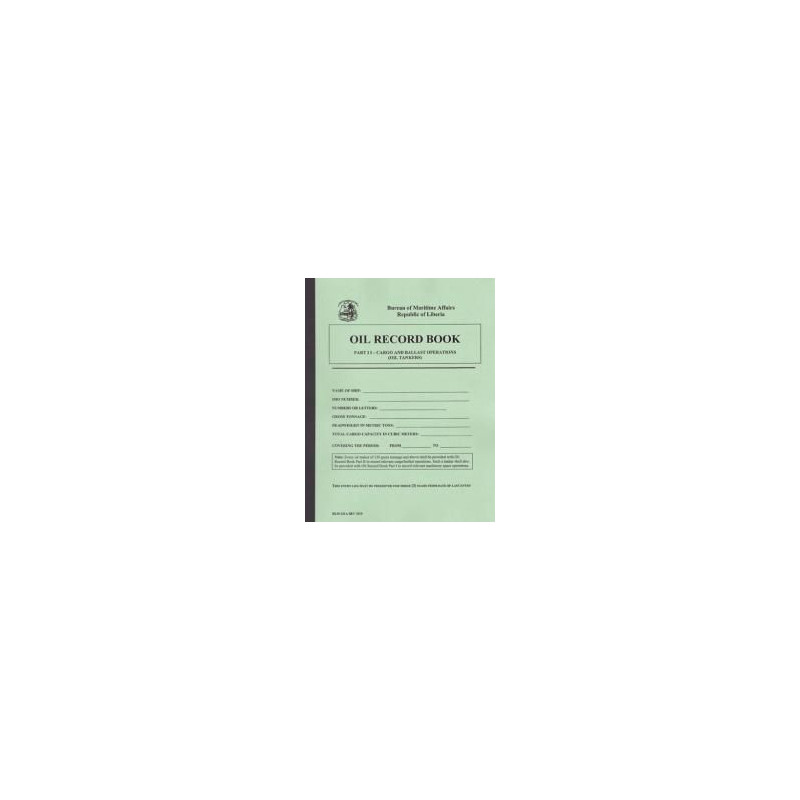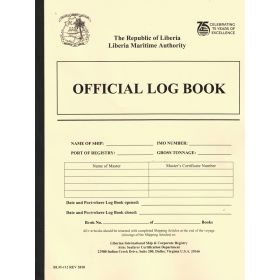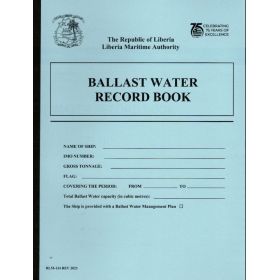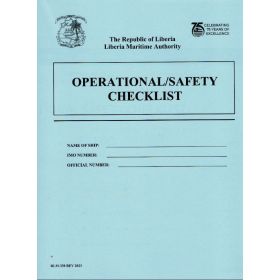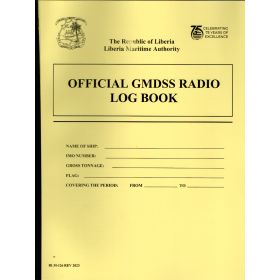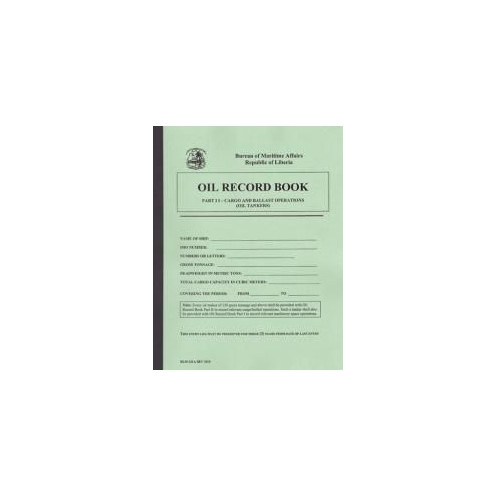



Official Oil Record Book Part 2 for Liberian-flagged oil tankers, ensuring MARPOL Annex I compliance. Log cargo and ballast operations accurately in this digital, English-language logbook.
Data sheet
Specific References
Ensure Compliance and Operational Transparency with the Official Oil Record Book Part II for Oil Tankers
This essential logbook is the official record-keeping solution for oil tankers under the Liberian flag, mandated by MARPOL Annex I for vessels of 150 gross tonnage and above. It provides a structured, legally recognized format to document all oil-related cargo and ballast operations, ensuring full compliance with international maritime regulations. Designed for accuracy and ease of use, this logbook is a critical tool for maintaining operational transparency and avoiding costly penalties during inspections.
Engineered for Precision and Legal Protection
Every entry in the Oil Record Book Part II is designed to capture detailed operational data, including dates, operational codes, item numbers, and descriptions of oil transfers, tank cleanings, ballast handling, and sludge disposal. This meticulous documentation not only meets regulatory requirements but also serves as a legal safeguard during port state control, flag state audits, or environmental compliance checks. With a standardized layout, the logbook minimizes errors and ensures consistency across all recorded operations.
Durable, Practical, and Ready for Shipboard Use
Built to endure the demanding conditions of maritime environments, this paperback edition combines durability with functionality. Its lightweight design and clear, organized format make it easy to use, even in challenging operational settings. The logbook’s intuitive structure simplifies record-keeping, allowing crew members to maintain accurate and up-to-date entries without unnecessary complexity. Whether on a crude oil tanker or a product carrier, this logbook ensures reliable documentation of all oil-related activities.
Trusted by Maritime Professionals Worldwide
Published under the authority of the Liberian International Ship & Corporate Registry (LISCR), this Oil Record Book Part II reflects the latest regulatory standards and best practices in oil pollution prevention. It is an indispensable resource for vessel operators, chief engineers, and crew members who prioritize compliance, operational efficiency, and environmental responsibility. By using this official logbook, maritime professionals can confidently demonstrate adherence to international regulations while maintaining the highest standards of operational integrity.
This official Oil Record Book Part II is available in a durable paperback format, designed for shipboard use. It is published in English and weighs 0.6 kg, making it lightweight and easy to handle. The logbook is a single-unit publication, ensuring a clean and organized record-keeping process. Updated to reflect the latest regulatory requirements, it is valid through 2026 and serves as a reliable, compliant alternative to digital records for oil tankers under the Liberian flag.
The publisher of this logbook is a globally recognized maritime authority, overseeing one of the world’s largest and most respected ship registries. With a commitment to safety, compliance, and operational excellence, the registry ensures that all published materials meet the highest international standards. This logbook reflects that dedication, providing maritime professionals with a trusted tool for maintaining regulatory compliance and operational transparency.
Part 2 of the oil record book is used to document all cargo and ballast operations related to oil, ensuring compliance with MARPOL Annex I regulations for oil tankers.
No, this record book is only available in English, as it is an official document for international maritime compliance.
Yes, this digital version is an acceptable replacement for the physical oil record book and meets all regulatory requirements.
This edition of the oil record book is revised for the year 2026.
No, it is mandatory only for oil tankers with a gross tonnage of 150 or more.
The digital version is lightweight, with an equivalent physical weight of approximately 0.6 kg.
You might also like