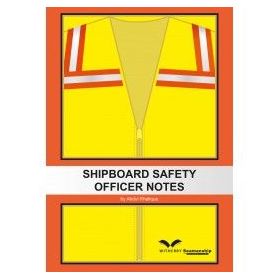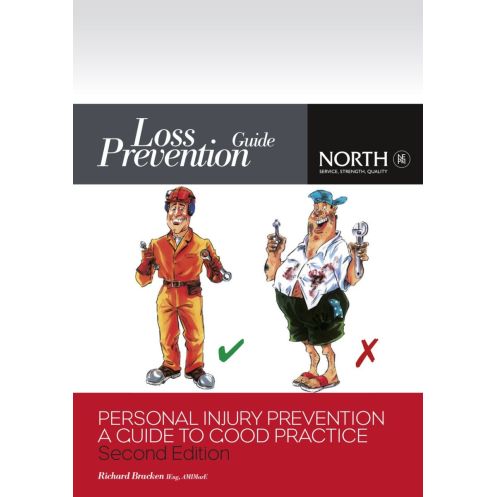



Stay safe on board with this comprehensive guide to injury prevention. Covers PPE, safe work practices, and risk management, with visuals and case studies to reinforce safety awareness at sea.
Data sheet
Specific References
Enhance onboard safety with a practical, illustrated guide to injury prevention
Personal Injury Prevention is a comprehensive, easy-to-follow manual designed to reduce workplace hazards and promote a culture of safety in the maritime industry. Tailored for shipping professionals, this guide aligns with the International Safety Management (ISM) Code, offering clear, actionable recommendations to minimize risks and improve safety protocols on board. With a focus on real-world scenarios, it serves as both a training tool and a reference for crew members, safety officers, and ship managers.
Visual learning for better safety awareness
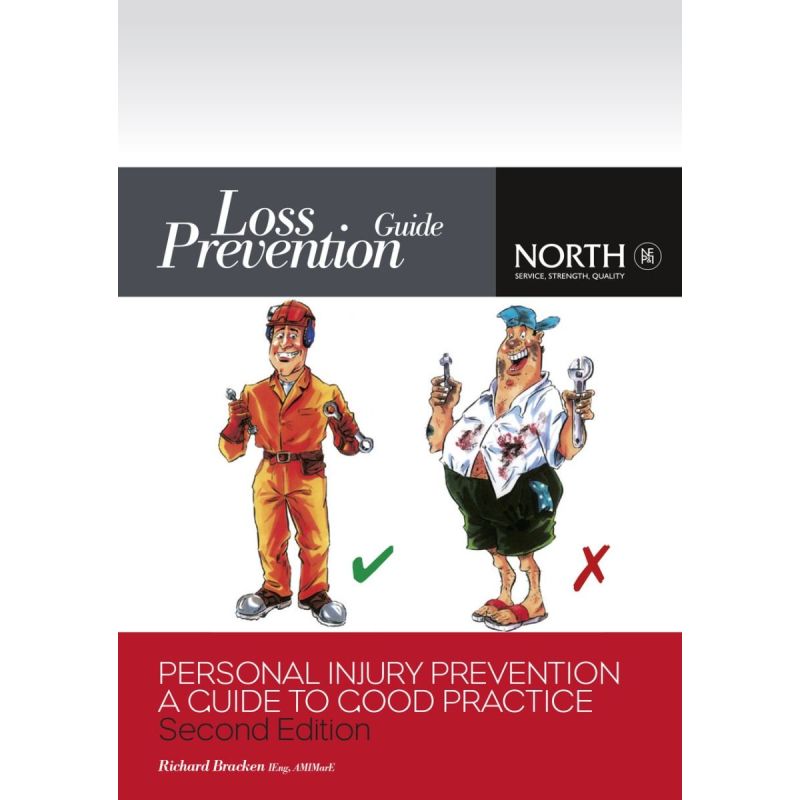
Featuring engaging cartoon illustrations, this guide effectively contrasts safe and unsafe work practices, making it easier for crew members to identify risks and adopt best practices. The visual approach ensures quick comprehension, even in high-pressure or multilingual environments, reinforcing key safety messages without relying solely on text. Each chapter is structured to highlight common hazards, recommended personal protective equipment (PPE), and step-by-step procedures for safe operations.
Comprehensive coverage of critical safety topics
Organized into 16 focused chapters, the guide addresses a wide range of onboard safety concerns, from work planning and PPE usage to confined space entry and mooring operations. It also includes real-world case studies that illustrate the consequences of unsafe practices and the benefits of proactive safety measures. By integrating these lessons, the guide helps crews develop a deeper understanding of risk management and fosters a shared commitment to safety across all levels of operation.
Supports ISM compliance and safety culture development
More than just a manual—it’s a tool for building a safer workplace. Aligned with the ISM Code, this guide complements your vessel’s Safety Management System (SMS) by providing standardized safety guidelines that can be easily integrated into daily routines. It emphasizes the importance of leadership, clear communication, and continuous improvement in safety practices, helping to create a culture where safety is a priority for every crew member.
Enhance onboard safety with a practical, illustrated guide to injury prevention
Personal Injury Prevention is a comprehensive, easy-to-follow manual designed to reduce workplace hazards and promote a culture of safety in the maritime industry. Tailored for shipping professionals, this guide aligns with the International Safety Management (ISM) Code, offering clear, actionable recommendations to minimize risks and improve safety protocols on board. With a focus on real-world scenarios, it serves as both a training tool and a reference for crew members, safety officers, and ship managers.
Visual learning for better safety awareness
Featuring engaging cartoon illustrations, this guide effectively contrasts safe and unsafe work practices, making it easier for crew members to identify risks and adopt best practices. The visual approach ensures quick comprehension, even in high-pressure or multilingual environments, reinforcing key safety messages without relying solely on text. Each chapter is structured to highlight common hazards, recommended personal protective equipment (PPE), and step-by-step procedures for safe operations.
Comprehensive coverage of critical safety topics
Organized into 16 focused chapters, the guide addresses a wide range of onboard safety concerns, from work planning and PPE usage to confined space entry and mooring operations. It also includes real-world case studies that illustrate the consequences of unsafe practices and the benefits of proactive safety measures. By integrating these lessons, the guide helps crews develop a deeper understanding of risk management and fosters a shared commitment to safety across all levels of operation.
Supports ISM compliance and safety culture development
More than just a manual—it’s a tool for building a safer workplace. Aligned with the ISM Code, this guide complements your vessel’s Safety Management System (SMS) by providing standardized safety guidelines that can be easily integrated into daily routines. It emphasizes the importance of leadership, clear communication, and continuous improvement in safety practices, helping to create a culture where safety is a priority for every crew member.
This practical guide is presented in a convenient paperback format, making it easy to store and reference on board. With 86 pages of illustrated content, it weighs just 1.8 kg, ensuring portability without compromising on durability. Published in August 2019, the second edition reflects the latest industry standards and best practices, providing up-to-date guidance for maritime professionals.
With decades of experience in maritime risk management and safety solutions, the publisher behind this guide is a trusted name in the shipping industry. Specializing in practical tools for compliance and safety, their resources are designed to support crews, safety officers, and ship operators in maintaining high standards of operational safety and regulatory adherence.
The chapters cover safety aspects such as work planning, personal protective equipment (PPE), entering enclosed spaces, mooring operations, and more, along with case studies highlighting onboard safety risks and best practices.
The guide is designed for both corporate and personal use, helping individuals and organizations promote safety awareness and compliance with ISM Code requirements.
It outlines roles, procedures, and best practices for effective safety management, while also emphasizing hazard awareness and the importance of fostering a proactive safety culture.
The guide features cartoon-style illustrations to clearly differentiate between safe and unsafe work practices onboard ships.
Yes, it is aligned with the ISM Code and designed to complement an existing SMS by reinforcing safety procedures and awareness.
The guide measures 210 mm in height and 147 mm in width, making it a compact and portable reference.
You might also like