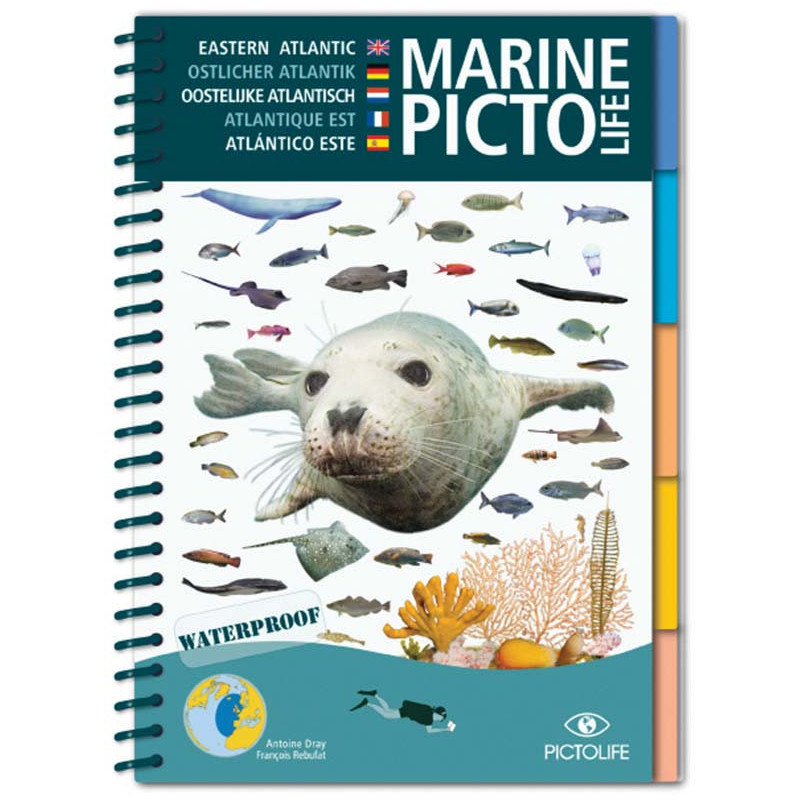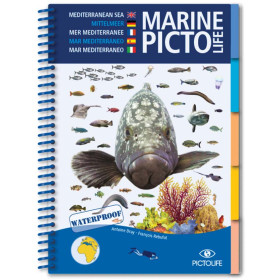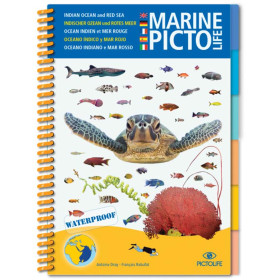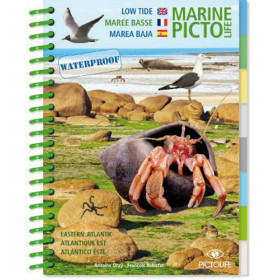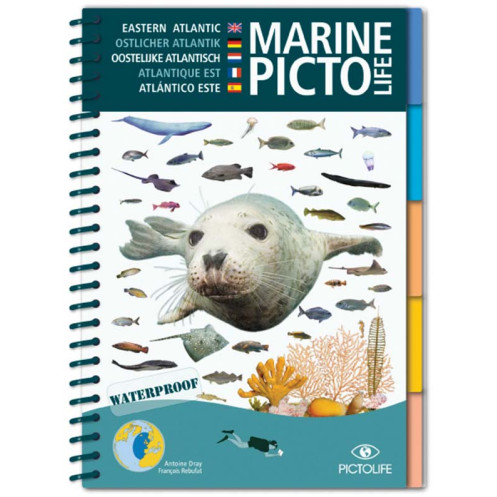





Identify 251 marine species with this waterproof, pocket-sized guide. Features pictograms, color photos, and details in 5 languages—perfect for diving, sailing, or beach exploration.
Data sheet
Specific References
Discover the rich marine ecosystems of the Eastern Atlantic with this innovative, waterproof identification guide. Designed for divers, sailors, and nature enthusiasts, this compact yet comprehensive tool covers 251 marine species—from fish and mammals to invertebrates—found along the coasts stretching from Scandinavia to Galicia. Whether you're exploring tidal pools, snorkeling in shallow waters, or sailing offshore, this guide ensures you can identify and learn about marine life with ease, no matter the conditions.
Engineered for the harsh marine environment, this guide is entirely made of laminated, waterproof plastic, making it resistant to water, salt, and wear. Its compact size (12.5 x 16.3 cm) and lightweight design (just 210 grams) allow it to fit effortlessly into a wetsuit pocket, beach bag, or boat deck storage. With 56 pages of detailed content, it’s the perfect balance of portability and depth, ensuring you have all the information you need without the bulk.
Say goodbye to flipping through dense text—this guide revolutionizes species identification with an original pictogram-based system. Each species is presented with clear, color-coded icons that cover key details such as habitat, behavior, biological characteristics, and human impact. This visual approach allows for rapid, on-the-spot identification, even for beginners. Whether you're tracking the migratory patterns of a bottlenose dolphin or identifying a rare nudibranch, the guide’s intuitive layout makes marine biology accessible to everyone.
Marine life knows no borders, and neither does this guide. With species names provided in five languages—French, English, Spanish, Dutch, and German—it’s an invaluable resource for international travelers, researchers, and conservationists. Whether you're sailing in the North Sea, diving in the Bay of Biscay, or studying coastal ecosystems in the Mediterranean, this guide bridges language barriers, ensuring accurate and consistent identification across regions.
Beyond simple identification, this guide offers insights into the ecological roles of each species, their interactions with other marine life, and the challenges they face from human activities. Learn about the symbiotic relationships of cleaner fish, the migratory routes of whales, or the delicate balance of coral ecosystems. This guide doesn’t just help you name what you see—it deepens your understanding of the underwater world and the importance of its preservation.
Unlike traditional paper guides, this waterproof and tear-resistant guide is built to withstand the elements. Whether you're caught in a sudden downpour, splashed by waves, or handling it with wet hands, the laminated pages remain intact and legible. The vibrant color photos and illustrations ensure clarity, even in low-light conditions or murky waters. It’s a tool you can trust, whether you're on a weekend dive trip or a month-long sailing expedition.
Whether you're shopping for a seasoned marine biologist, an avid diver, or a curious beginner, this guide makes an ideal gift. Its combination of durability, ease of use, and comprehensive content ensures it will be a cherished resource for years to come. Lightweight enough to take anywhere, yet packed with expert-level information, it’s the ultimate companion for anyone passionate about the ocean.
Unlock the Secrets of the Eastern Atlantic’s Marine Life
Dive into the fascinating world of the Eastern Atlantic with this waterproof marine identification guide, your ultimate companion for exploring the region’s diverse ecosystems. Covering 251 species—from iconic whales and dolphins to elusive invertebrates—this guide is meticulously designed for adventurers, researchers, and ocean lovers who demand both accuracy and durability. Whether you're navigating the rugged coasts of Scandinavia or the warmer waters of Galicia, this guide ensures you can identify and understand marine life with confidence, no matter the conditions.
Engineered for the Marine Environment
Built to endure the challenges of the sea, this guide is crafted from fully laminated, waterproof plastic, making it impervious to water, salt, and wear. Its compact dimensions (12.5 x 16.3 cm) and lightweight design (210 grams) allow it to slip effortlessly into a wetsuit pocket, beach bag, or boat storage, ensuring it’s always within reach when you need it. With 56 pages of detailed content, it strikes the perfect balance between portability and depth, offering a wealth of information without the bulk of traditional field guides.
Revolutionary Pictogram System for Instant Identification
Gone are the days of sifting through dense text to identify a species. This guide introduces an innovative pictogram-based system that provides instant access to critical information. Each species is represented with color-coded icons that cover habitat, behavior, biological traits, and human impact, allowing for quick and intuitive identification. Whether you're a seasoned diver or a casual snorkeler, this visual approach makes marine biology accessible and engaging, turning every outing into an educational experience.
A Multilingual Resource for Global Explorers
The ocean connects us all, and this guide reflects that universality with species names provided in five languages: French, English, Spanish, Dutch, and German. This multilingual approach makes it an indispensable tool for international travelers, researchers, and conservationists, ensuring accurate identification and communication across borders. Whether you're studying marine life in the North Sea or exploring the Atlantic coasts, this guide bridges language barriers and fosters a deeper connection to the underwater world.
Beyond Identification: Understanding and Protecting Marine Life
This guide goes beyond simple species identification by offering insights into the ecological roles and conservation status of each species. Learn about the migratory patterns of whales, the symbiotic relationships of cleaner fish, or the threats posed by human activities. By providing a deeper understanding of marine ecosystems, this guide empowers users to become advocates for ocean conservation, making it a valuable resource for both education and environmental stewardship.
This Eastern Atlantic marine life guide is a compact yet comprehensive tool designed for field use. Measuring 12.5 x 16.3 cm and weighing just 210 grams, it features 56 pages of waterproof, laminated plastic, ensuring durability in any marine environment. It covers 251 species, with names provided in five languages—French, English, Spanish, Dutch, and German—making it a versatile resource for international users. The guide’s innovative pictogram system and vibrant color photos and illustrations allow for quick and accurate identification, even in challenging conditions.
With a focus on creating practical and durable tools for marine enthusiasts, this brand has established itself as a leader in waterproof field guides. Specializing in innovative identification systems, their products are designed to withstand the rigors of outdoor and marine environments while providing accurate, accessible information. Trusted by divers, sailors, and researchers worldwide, their guides are celebrated for their durability, ease of use, and commitment to marine education and conservation.
It covers marine species from Scandinavia to Galicia, including the eastern Atlantic Ocean.
Species names are provided in five languages: English, French, Spanish, Dutch, and German.
Yes, it is waterproof, compact, and lightweight, making it ideal for diving, beach outings, or use on a boat.
Each species includes details on location, lifestyle, biological characteristics, behavior, and human impact through original pictograms.
Yes, it is made of laminated, waterproof plastic, ensuring durability in marine environments.
Species are categorized into fish, mammals, and invertebrates, with color photos and illustrations for easy identification.
The guide was published in 2010 and provides comprehensive identification for 251 species relevant to the covered regions.
You might also like