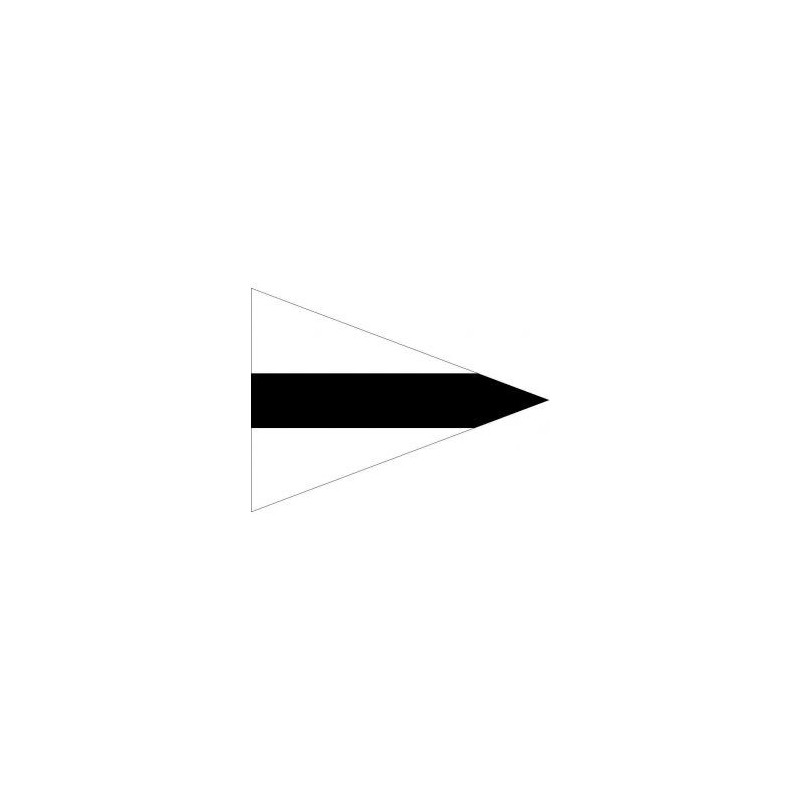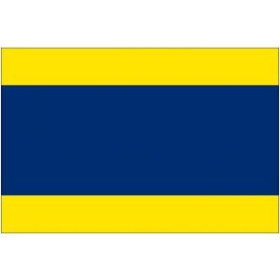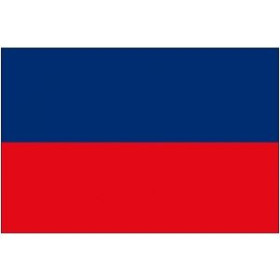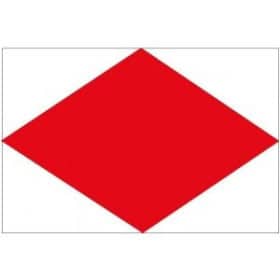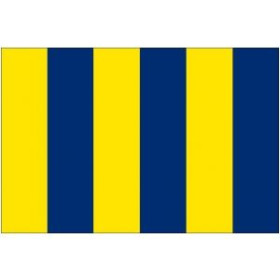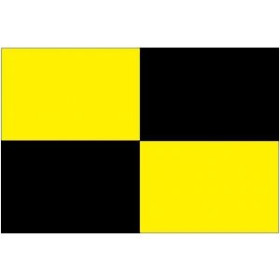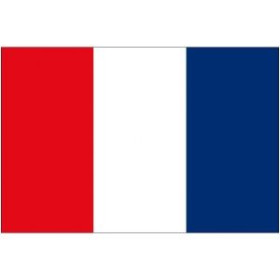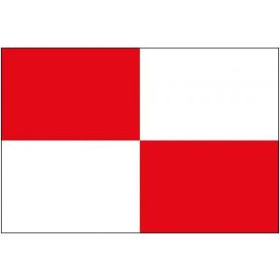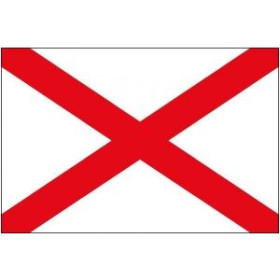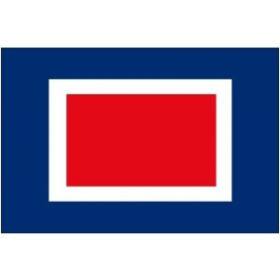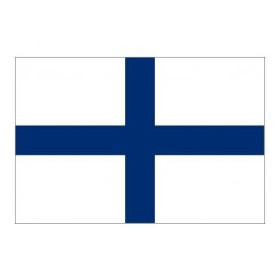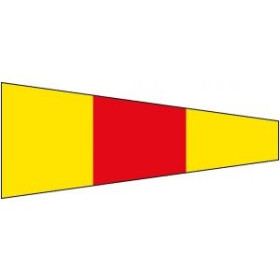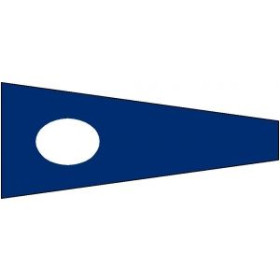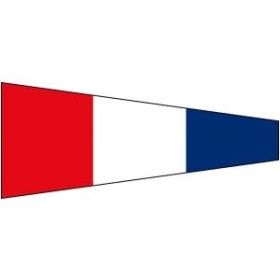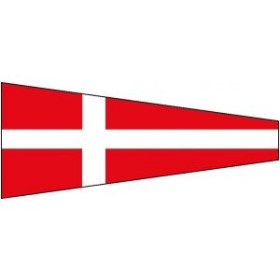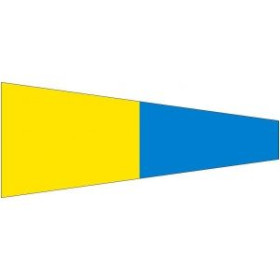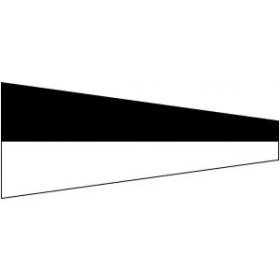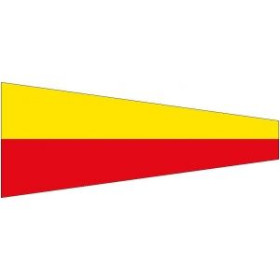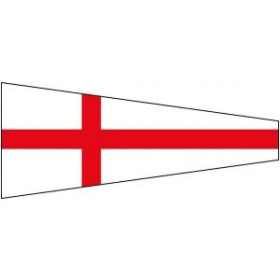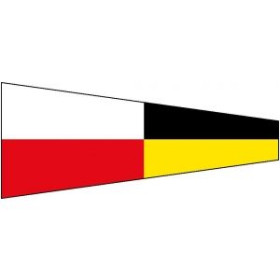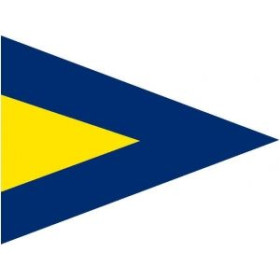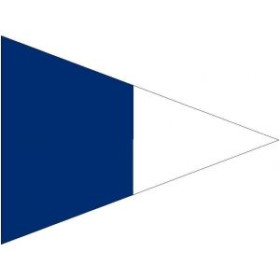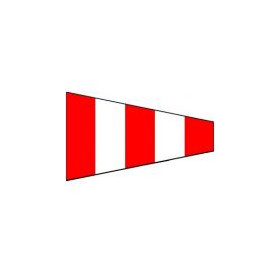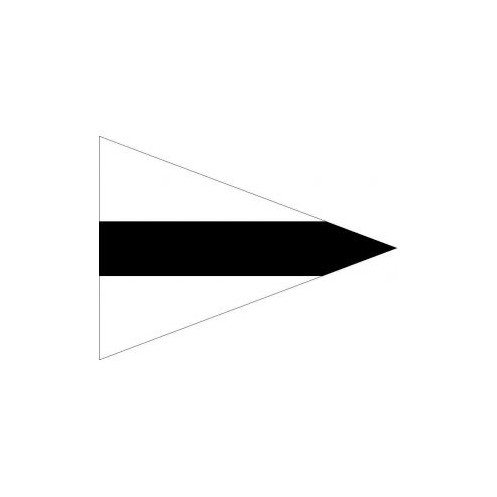


Crafted from 155 g/m² polyester, this 3rd substitute pennant resists harsh marine conditions. Ideal for signaling, it meets international standards and prevents duplication in maritime communication.
Data sheet
Specific References
When every second counts on the open water, clear communication can mean the difference between safety and danger. The 3rd Substitute Maritime Signal Flag is a critical component of the International Code of Signals, a standardized system used by vessels worldwide to convey messages without relying on radio or language barriers. This triangular flag serves a unique purpose: it repeats the third flag in a sequence, eliminating redundancy and ensuring messages remain concise and unambiguous.
Designed for the demanding conditions of the marine environment, this signal flag is crafted from high-quality polyester fabric with a weight of 155 g/m². The open-weave etamine construction strikes the perfect balance between durability and lightweight performance, allowing the flag to flutter clearly even in light winds while resisting the corrosive effects of saltwater and UV exposure. Unlike traditional cotton flags that absorb moisture and degrade quickly, this polyester version maintains its shape, color, and integrity through countless voyages.
The International Code of Signals assigns specific meanings to each flag, whether used individually or in combination. The 3rd Substitute Flag plays a specialized role in this system. When a message requires repeating the third flag in a sequence, this substitute flag is used instead of hoisting the same flag again. For example, in a sequence like "ABC," if the third flag (C) needs to be repeated, the 3rd Substitute Flag would be used in its place. This method streamlines communication, reduces visual clutter, and ensures messages are interpreted correctly by other vessels or shore stations.
Maritime signal flags must endure harsh conditions, from relentless sun exposure to saltwater spray and strong winds. The 155 g/m² polyester fabric used in this flag is engineered to withstand these challenges. Its tight weave prevents fraying, while the material’s inherent resistance to mildew and fading ensures long-lasting performance. Whether used for routine communication, emergency signaling, or training exercises, this flag remains a reliable tool for mariners who demand precision and durability.
Beyond its primary role in the International Code of Signals, the 3rd Substitute Flag is a versatile tool for various maritime scenarios. It is commonly used by commercial vessels, naval ships, and recreational boaters to convey messages related to navigation, safety, and operational status. Its compact, triangular design makes it easy to store and deploy, while its bold colors ensure high visibility even at a distance. Whether you're communicating with other ships, coordinating with port authorities, or participating in maritime training, this flag is an indispensable part of your signaling arsenal.
A high-performance signal flag designed for precision and durability in maritime communication
When clarity and reliability are non-negotiable, the 3rd Substitute Maritime Signal Flag delivers unmatched performance. Engineered for the rigors of the marine environment, this flag is a vital tool for vessels that rely on the International Code of Signals to communicate effectively. Whether you're navigating busy shipping lanes, coordinating with other ships, or ensuring compliance with maritime regulations, this flag ensures your messages are conveyed with precision and without ambiguity.
Crafted from premium marine-grade materials
This signal flag is made from 155 g/m² polyester fabric, a material chosen for its exceptional durability and resistance to the elements. Unlike traditional cotton flags, which can absorb moisture and degrade quickly, this polyester version is designed to withstand saltwater, UV exposure, and strong winds. The open-weave etamine construction ensures the flag remains lightweight yet sturdy, allowing it to flutter clearly even in light breezes while maintaining its shape and integrity over time.
Optimized for the International Code of Signals
The 3rd Substitute Flag plays a unique role in maritime communication by repeating the third flag in a sequence. This eliminates redundancy and ensures messages are concise and easy to interpret. Whether you're sending a distress signal, conveying navigational instructions, or communicating with port authorities, this flag is an essential part of your signaling toolkit. Its triangular design and bold colors make it highly visible, even from a distance, ensuring your messages are received loud and clear.
Built to last in the toughest conditions
Maritime environments are unforgiving, but this signal flag is built to endure. The 155 g/m² polyester fabric is resistant to fraying, mildew, and fading, ensuring long-lasting performance even after prolonged exposure to the elements. Whether you're using it for routine communication, emergency signaling, or training exercises, this flag remains a reliable and durable solution for all your maritime signaling needs.
This 3rd Substitute Maritime Signal Flag is designed for optimal performance in marine environments. Crafted from 155 g/m² polyester fabric, it offers exceptional durability and resistance to saltwater, UV exposure, and strong winds. Available in multiple sizes, including 20 x 30 cm, 30 x 45 cm, 32 x 48 cm, and 40 x 60 cm, this triangular flag is lightweight yet sturdy, weighing just 0.3 kg. It conforms to the International Code of Signals, ensuring reliable and precise communication between vessels.
It is made from 155 g/m² polyester etamine fabric, designed to resist saltwater, wind, and harsh marine environments.
The available dimensions are 20 x 30 cm, 30 x 45 cm, 32 x 48 cm, and 40 x 60 cm.
It serves as a substitute to repeat the third flag in a series without duplication, following international maritime signaling codes.
The smallest size, 20 x 30 cm, weighs approximately 0.3 kg.
Yes, the polyester fabric ensures high resistance to wear, UV exposure, and saltwater corrosion, making it ideal for prolonged marine use.
It has a triangular shape, as specified by maritime signaling standards.
You might also like