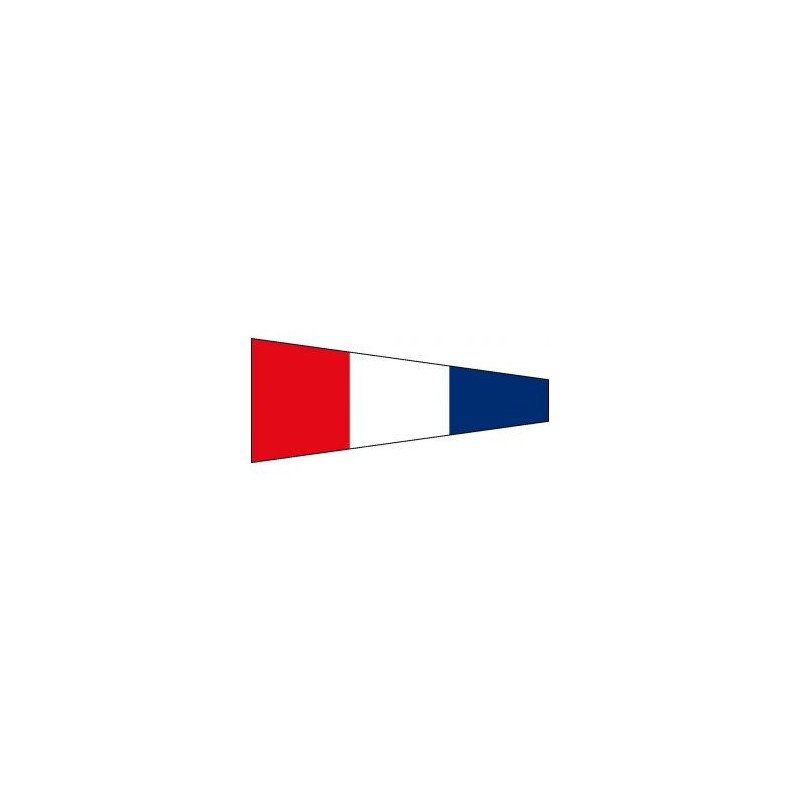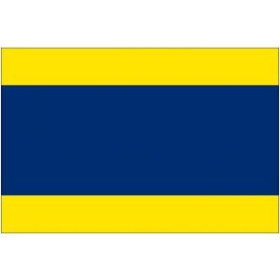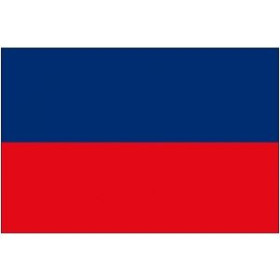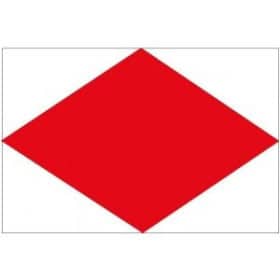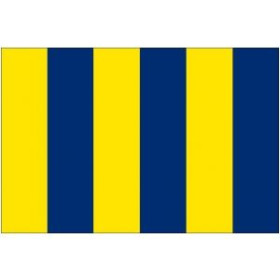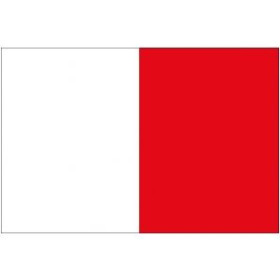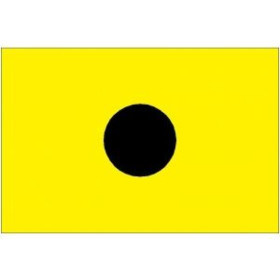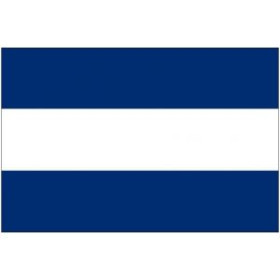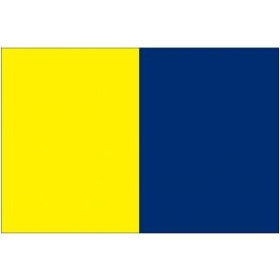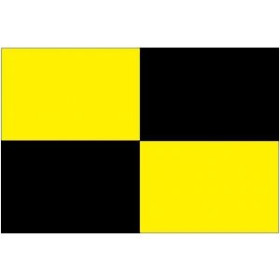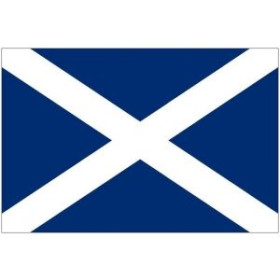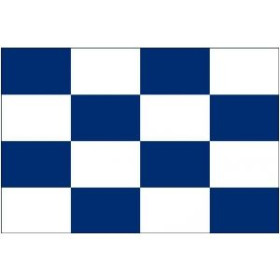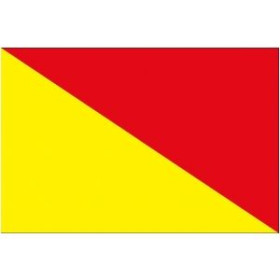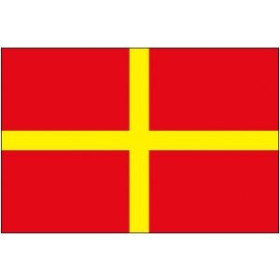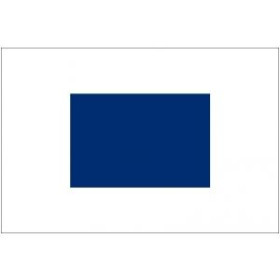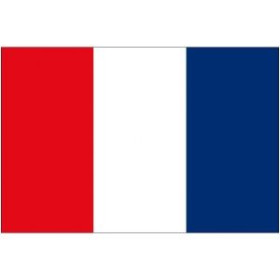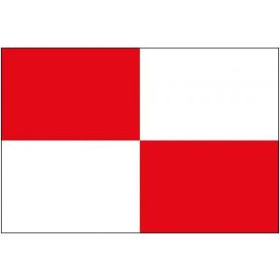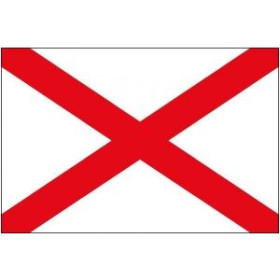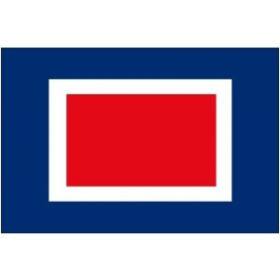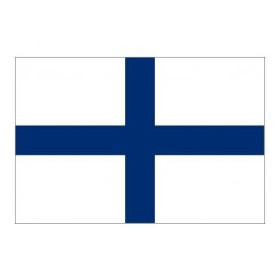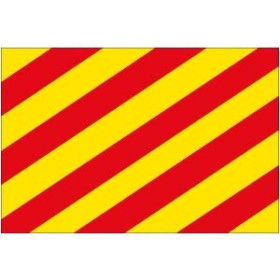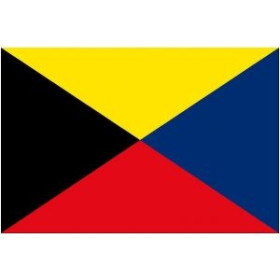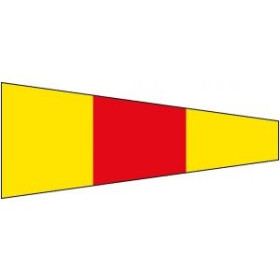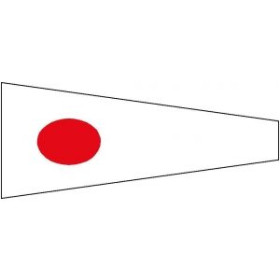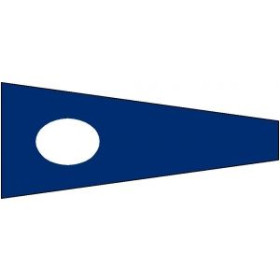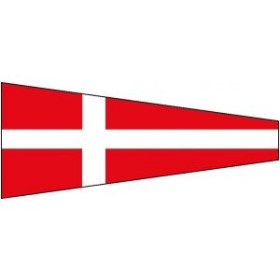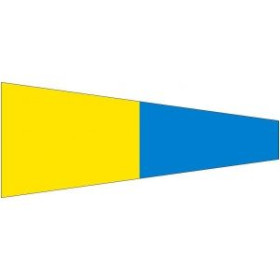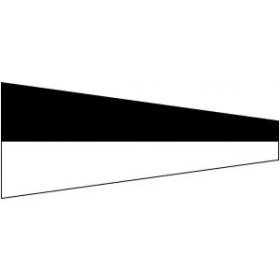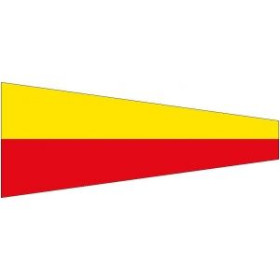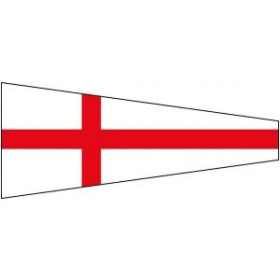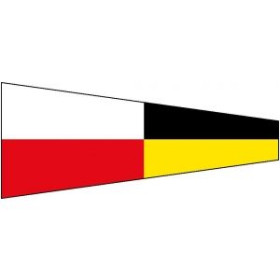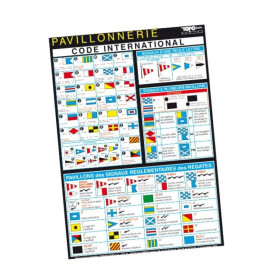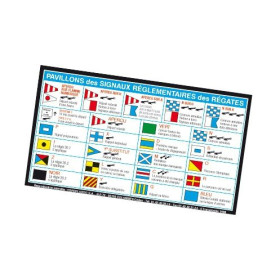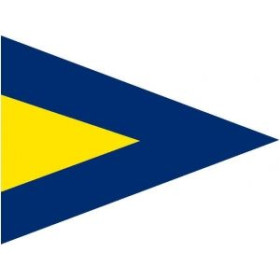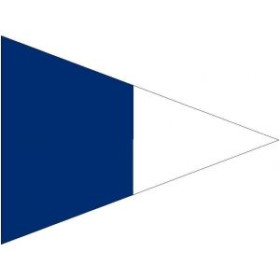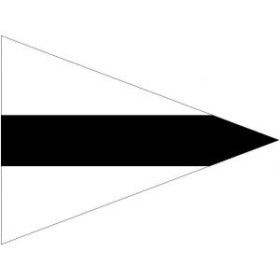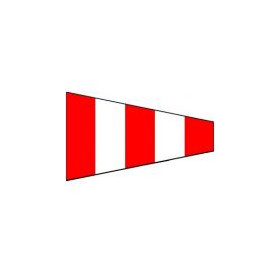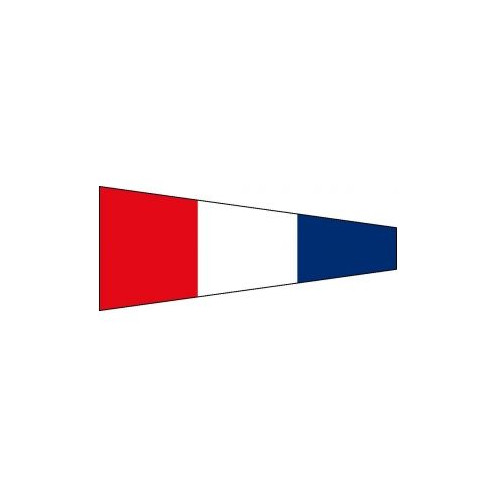


Essential for maritime signaling, this International Code Flag No. 3 is crafted from durable etamine fabric. Lightweight yet robust, it delivers reliable communication on the water.
Specific References
The International Code of Signals is a universal maritime communication system that enables vessels to transmit messages clearly and efficiently, regardless of language barriers. Each flag in this system represents a letter, number, or specific meaning, allowing sailors to convey critical information—from navigational warnings to distress signals—with precision. This method of communication is essential for safety, coordination, and operational efficiency at sea, ensuring that messages are understood even in challenging conditions.
In the International Code of Signals, each flag serves two key functions. First, it can represent a letter of the alphabet, allowing it to spell out words or messages when used in sequence. For example, a series of flags can form a vessel’s name, a navigational instruction, or a request for assistance. Second, each flag carries its own distinct meaning, enabling quick and direct communication without the need for complex combinations. This dual functionality makes the system both versatile and reliable, ensuring that even a single flag can convey urgent or standardized messages.
Maritime signaling flags are designed to withstand the harshest conditions at sea. Constructed from durable, lightweight fabric, they resist fading, tearing, and wear caused by saltwater, wind, and sun exposure. Their vibrant colors and bold designs ensure high visibility, even from a distance or in low-light conditions. Whether used for routine communication, emergency signaling, or regulatory compliance, these flags are engineered to perform reliably in any maritime environment, providing sailors with a dependable tool for clear and effective communication.
The International Code of Signals is a standardized system recognized worldwide, ensuring consistency and clarity in maritime communication. Each flag is meticulously designed to avoid ambiguity, with distinct shapes, colors, and patterns that prevent misinterpretation. This system is particularly valuable in situations where verbal communication is impossible, such as in noisy environments, over long distances, or between vessels of different nationalities. By adhering to this universal code, sailors can trust that their messages will be understood, reducing the risk of errors and enhancing operational safety.
Beyond its role in spelling out messages, the International Code of Signals is a critical tool for safety and coordination at sea. Flags can signal distress, indicate navigational hazards, or communicate operational statuses, such as whether a vessel is anchored or in need of assistance. This system is also used in conjunction with other signaling methods, such as lights and sound, to create a comprehensive communication framework. For maritime professionals, mastering this code is not just a skill—it’s a necessity for ensuring smooth, safe, and efficient operations on the water.
Unlock Clear and Reliable Maritime Communication
In the vast and unpredictable environment of the open sea, effective communication can mean the difference between safety and danger. The International Code Flag Number 3 is a vital component of the International Code of Signals, a universally recognized system that enables vessels to transmit messages with precision and clarity. Designed for durability and visibility, this flag is an indispensable tool for sailors, maritime professionals, and vessels of all sizes, ensuring that critical information is conveyed accurately, regardless of language or conditions.
Engineered for Durability and Performance
Constructed from high-quality, lightweight fabric, this signaling flag is built to endure the rigors of the marine environment. The material is resistant to fading, tearing, and wear, ensuring long-lasting performance even when exposed to saltwater, wind, and sun. Measuring 20 x 30 cm, the flag strikes the perfect balance between visibility and practicality, making it easy to handle and display while remaining clearly visible from a distance. Whether used for routine communication or emergency signaling, this flag is designed to perform reliably in any situation.
A Versatile Tool for Maritime Operations
The International Code Flag Number 3 is more than just a piece of fabric—it’s a key element of a standardized communication system used by vessels worldwide. As part of the International Code of Signals, this flag can represent a specific letter, allowing it to be used in combination with other flags to spell out words or messages. Additionally, it carries its own unique meaning, enabling quick and direct communication without the need for complex sequences. This dual functionality makes it an invaluable asset for a wide range of maritime applications, from navigational coordination to emergency response.
Weighing just 0.3 kg, the International Code Flag Number 3 is lightweight and easy to handle, yet built to withstand the toughest marine conditions. Its compact dimensions of 20 x 30 cm ensure optimal visibility while maintaining practicality for use on vessels of all sizes. Constructed from durable fabric, this flag is designed to resist fading, tearing, and wear, making it a reliable choice for long-term maritime communication.
This flag is part of the international maritime signal code and is used to convey specific messages between vessels or between a vessel and shore, ensuring clear and standardized communication at sea.
The flag is made from marine-grade bunting fabric, designed to withstand harsh weather conditions, UV exposure, and saltwater, ensuring long-lasting performance.
Yes, the material is specifically chosen for its resistance to wind, rain, and sun, making it suitable for use in various maritime environments.
This flag is primarily designed for daytime signaling. For nighttime communication, additional equipment like signal lights or flags with reflective materials may be required.
To prolong its lifespan, rinse the flag with fresh water after exposure to saltwater, avoid prolonged direct sunlight when not in use, and store it in a dry, ventilated area.
Yes, the flag is equipped with reinforced grommets at the corners, allowing for easy and secure attachment to halyards or flagpoles.
You might also like