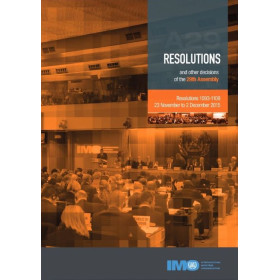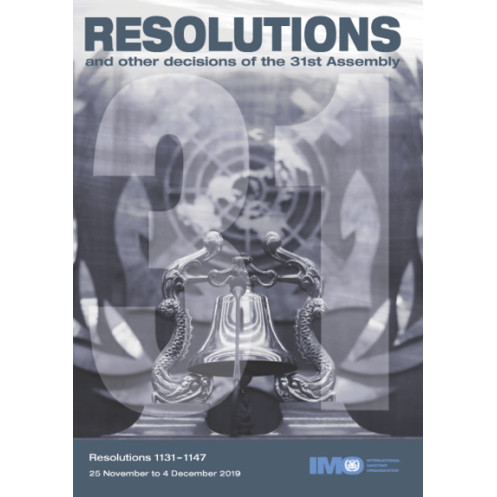





Stay compliant with the latest maritime standards using the 2019 IMO 31st Assembly Resolutions (1131-1147). This digital edition includes critical updates and guidelines for global shipping practices.
Data sheet
Specific References
Stay ahead in the maritime industry with this essential digital publication, covering all resolutions and decisions adopted during the International Maritime Organization’s (IMO) 31st Assembly session. Held from November 25 to December 4, 2019, this session produced critical updates that shape global maritime regulations. This document compiles resolutions 1131 through 1147, offering maritime professionals direct access to the latest standards, guidelines, and amendments that govern international shipping operations.
This publication is a vital resource for shipowners, operators, and maritime authorities, providing clarity on newly adopted principles and directives. It includes foundational guidelines such as the principles to consider when drafting IMO instruments, ensuring consistency and precision in regulatory development. The document also features updated inspection directives under the 2015 Harmonized System of Survey and Certification (HSSC), streamlining compliance processes for vessels worldwide. Additionally, it outlines obligations under the IMO Instruments Implementation Code (III Code), offering a non-exhaustive list of requirements that enhance operational safety and environmental protection.
Advance your fleet’s safety protocols with the revised guidelines for the onboard use of Automatic Identification Systems (AIS). These updates provide actionable insights for optimizing vessel tracking and communication, reducing risks in high-traffic maritime zones. The publication also includes critical amendments to the Recommendation on Pilot Transfer Arrangements, improving safety standards for pilot boarding and disembarkation—a key concern for ports and shipping companies alike.
Tailored for industry experts, this digital edition delivers unparalleled convenience and accessibility. With 407 pages of authoritative content, it serves as a go-to reference for compliance officers, naval architects, and maritime consultants. The publication is available in a secure, locked format, compatible with the IMO’s free e-reader, ensuring seamless access across devices. Published in July 2020, this first edition reflects the most current regulatory landscape, making it an indispensable tool for maintaining compliance and operational excellence in the maritime sector.
Your Essential Digital Reference for IMO’s 2019 Assembly Resolutions
Navigate the complexities of international maritime regulations with this authoritative digital publication, featuring the complete set of resolutions adopted during the IMO’s 31st Assembly session in 2019. Covering resolutions 1131 to 1147, this 407-page document is a cornerstone for maritime professionals seeking to align their operations with the latest global standards. Published in July 2020, it captures critical updates from the session held between November 25 and December 4, 2019, ensuring you have the most relevant and actionable regulatory insights at your fingertips.
Stay Compliant with Updated Maritime Directives
This digital edition is packed with essential guidelines that shape the future of maritime compliance. It includes the principles for drafting IMO instruments, offering a framework for consistent regulatory development. The publication also provides updated inspection directives under the 2015 Harmonized System of Survey and Certification (HSSC), simplifying the compliance process for vessels worldwide. Additionally, it outlines obligations under the IMO Instruments Implementation Code (III Code), helping maritime stakeholders enhance safety and environmental protection measures.
Optimize Safety and Operational Efficiency
Equip your fleet with the latest safety protocols through revised guidelines for the onboard use of Automatic Identification Systems (AIS). These updates are designed to improve vessel tracking and communication, reducing risks in congested maritime areas. The publication also includes amendments to the Recommendation on Pilot Transfer Arrangements, setting new benchmarks for safety during pilot boarding and disembarkation—a critical aspect for ports and shipping companies.
Accessible and Secure Digital Format
Designed for the modern maritime professional, this digital publication is available in a secure, locked format compatible with the IMO’s free e-reader. This ensures seamless access across devices, allowing you to reference critical regulations anytime, anywhere. Whether you’re a compliance officer, naval architect, or maritime consultant, this resource is tailored to support your operational and regulatory needs with precision and reliability.
This digital publication provides a comprehensive compilation of the resolutions and decisions adopted during the IMO’s 31st Assembly session in 2019. Available in English, it spans 407 pages and covers resolutions 1131 to 1147. Published in July 2020, this first edition is designed for secure access via the IMO’s free e-reader, ensuring compatibility with various digital devices.
With decades of expertise in maritime regulation and compliance, this publisher is a trusted source for industry professionals worldwide. Specializing in authoritative publications, it delivers critical updates and guidelines that shape global maritime standards, ensuring stakeholders remain informed and compliant with the latest regulatory developments.
The digital edition contains 407 pages.
This publication covers resolutions 1131 through 1147 adopted during the 31st Assembly session in 2019.
No, it is a locked format readable only with the free official e-reader.
The resolutions include guidelines for drafting instruments, inspection directives under the Harmonized System of Survey and Certification (HSSC) 2015, obligations under the III Code, revised AIS usage guidelines, and amendments to pilot transfer arrangements.
The digital edition was published in July 2020.
The official e-reader is compatible with standard devices, but specific system requirements are available on the provider’s website.
You might also like