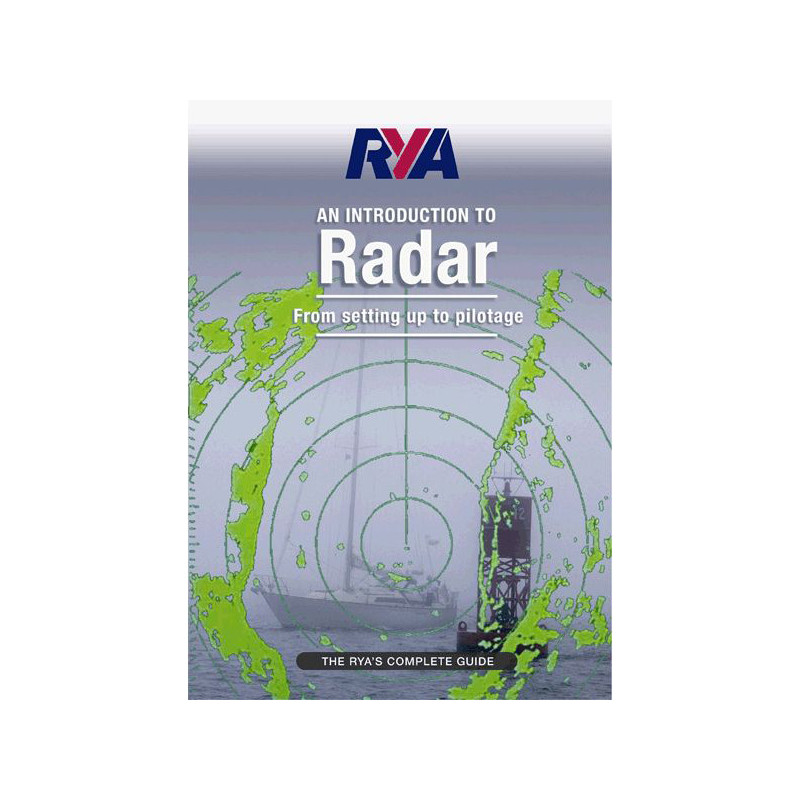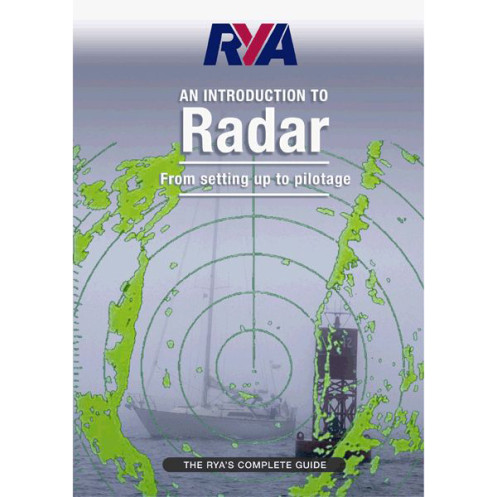




Master the basics of marine radar with this essential guide. Learn how to operate, interpret, and optimize radar for navigation and collision avoidance on small boats.
Data sheet
Specific References
Radar technology is a game-changer for small boat navigation, offering unparalleled safety and situational awareness—when you know how to use it. This guide is your key to unlocking the full potential of your radar equipment, whether you're a seasoned sailor or a weekend cruiser. Designed to demystify radar, it provides clear, practical insights into how this essential tool works and how to leverage it effectively on the water.
Understanding radar isn’t just about flipping switches—it’s about making informed decisions. This book breaks down the fundamentals in straightforward language, from the basics of radar operation to its limitations and capabilities. Learn how to interpret radar images accurately, adjust settings for optimal performance, and avoid common pitfalls like blind spots and signal interference. With this knowledge, you’ll navigate with greater precision, even in low visibility or crowded waters.
Starting with the essentials, this guide walks you through powering up and configuring your radar for the best results. Discover how to fine-tune your display, recognize different types of radar reflectors, and use radar for position fixing and instrument navigation. One of the most critical skills covered is collision avoidance—learn how to assess threats, calculate closest points of approach (CPA), and take proactive measures to keep your vessel and crew safe.
Tailored to the RYA One-Day Radar course syllabus, this book is both a study companion and a quick-reference guide. Its concise, 32-page format makes it easy to digest, while illustrations and real-world examples bring concepts to life. Whether you’re preparing for a course or refreshing your skills, this guide ensures you’re equipped to handle radar with confidence. The sustainable paperback edition is lightweight and durable, perfect for stowing on board or keeping in your navigation kit.
Radar isn’t just another gadget—it’s a lifeline in challenging conditions. By mastering its use, you’ll enhance your ability to navigate safely, avoid hazards, and make smarter decisions at sea. This book doesn’t just teach you how radar works; it empowers you to use it as a strategic tool, turning raw data into actionable insights. For anyone serious about boating, it’s an investment in safety, skill, and peace of mind.
Unlock the Power of Radar for Safer, Smarter Navigation
Radar is one of the most powerful tools in a boater’s arsenal—yet its potential is often underutilized. The *G34 Introduction to Radar* is your essential guide to transforming raw radar data into actionable insights, whether you're navigating busy harbors, foggy conditions, or open waters. This 32-page paperback is designed to bridge the gap between theory and practice, offering a clear, no-nonsense approach to understanding and using radar on small boats. Written in plain English, it cuts through the jargon to deliver practical knowledge that can be applied immediately, making it ideal for both beginners and experienced sailors looking to refine their skills.
From Basics to Advanced Techniques: What You’ll Learn
This guide covers everything you need to know to get the most out of your radar system. Start with the fundamentals: how radar works, its history, and its role in modern navigation. Move on to hands-on skills like powering up and configuring your radar, interpreting displays, and adjusting settings for optimal performance. You’ll also explore critical topics such as radar reflectors, blind spots, and the limitations of radar in real-world conditions. The book doesn’t stop at theory—it dives into practical applications like position fixing, instrument navigation, and, most importantly, collision avoidance. With step-by-step instructions and illustrations, you’ll learn how to assess threats, calculate distances, and take proactive measures to keep your vessel and crew safe.
Designed for Boaters, Aligned with Expert Standards
Developed to complement the RYA One-Day Radar course, this guide is more than just a manual—it’s a trusted resource for anyone serious about safe boating. Its compact, 150mm x 210mm format makes it easy to store on board or reference quickly when needed. Printed on sustainable paper, it’s lightweight (just 130g) and durable, built to withstand the rigors of life at sea. Whether you’re preparing for a certification course or simply looking to enhance your navigation skills, this book provides the knowledge and confidence to use radar effectively. Don’t let poor visibility or crowded waters catch you off guard—equip yourself with the skills to navigate with precision and peace of mind.
This 32-page paperback guide is designed for practical, on-the-go learning, with a compact 150mm x 210mm format that fits easily in any navigation kit. Printed on sustainable paper, it weighs just 130g, making it lightweight yet durable for use on board. Aligned with the RYA One-Day Radar course syllabus, it serves as both a study companion and a quick-reference tool for intermediate-level boaters.
The organization behind this guide is a globally recognized authority in boating education and certification. With decades of experience, they set the standard for safe and skilled navigation, offering courses and resources that empower boaters at all levels. Their materials are trusted by sailors worldwide for their clarity, practicality, and alignment with real-world boating needs.
This book is designed for intermediate users who want to gain practical knowledge of radar systems on small boats.
The guide contains 32 pages of clear and concise information about radar usage.
Yes, it follows the syllabus of a one-day radar course and serves as both a course companion and quick reference guide.
The book measures 150 mm in width and 210 mm in height.
Yes, it includes a chapter on radar-assisted collision avoidance for small boats.
The shipping weight is approximately 130 grams.
Yes, the book features clear illustrations to support the text and enhance understanding.
You might also like