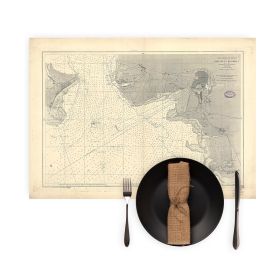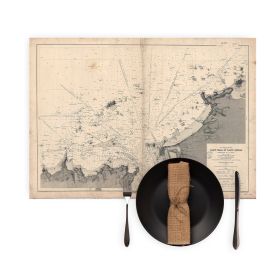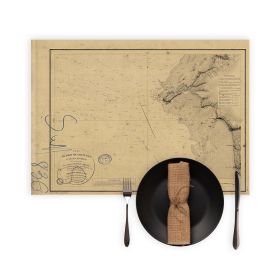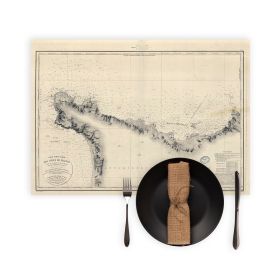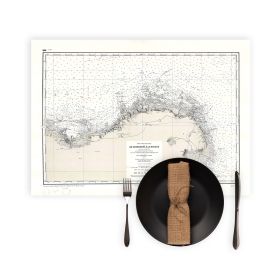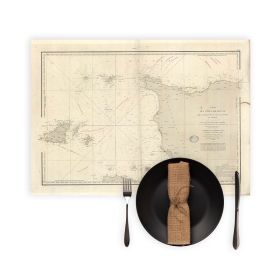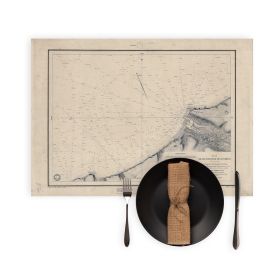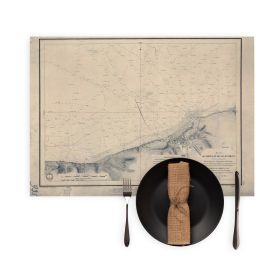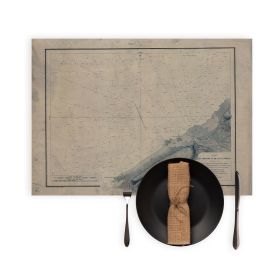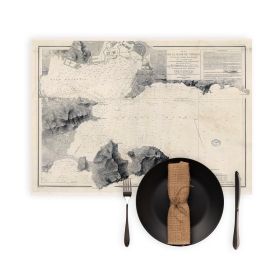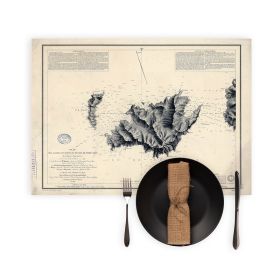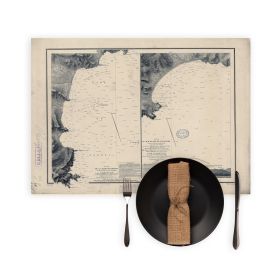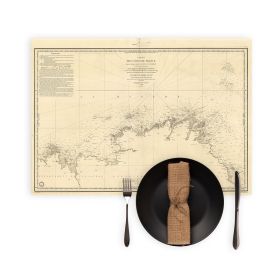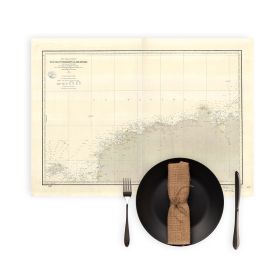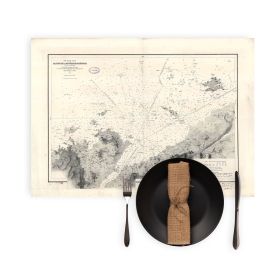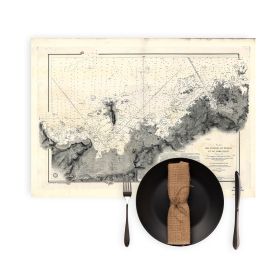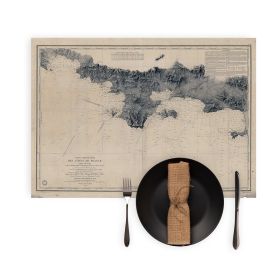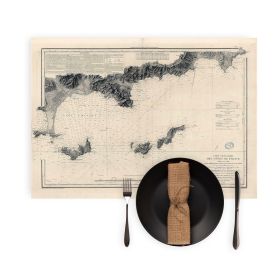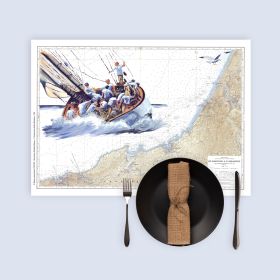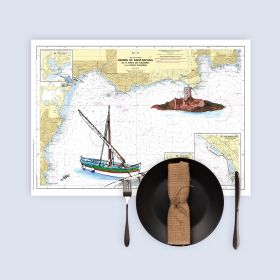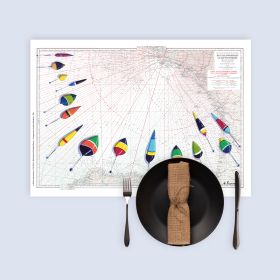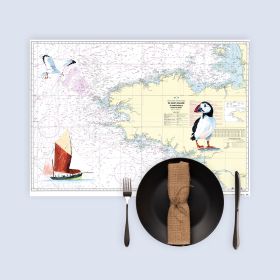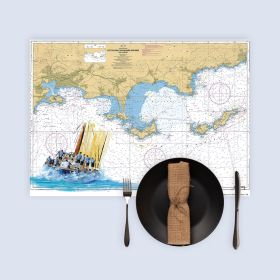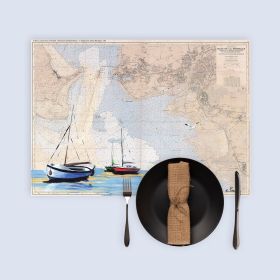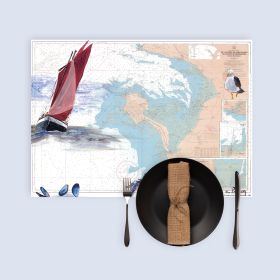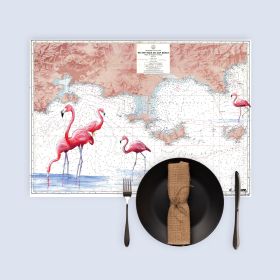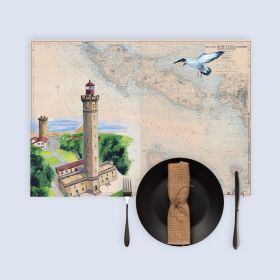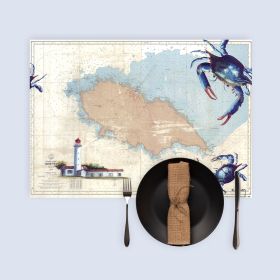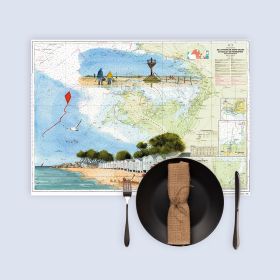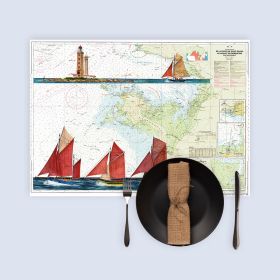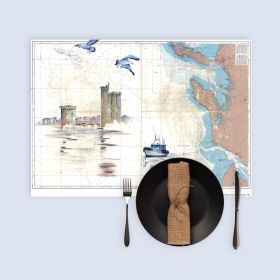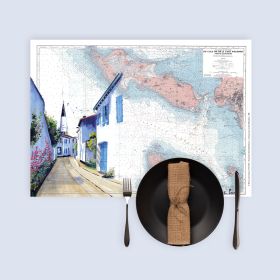




Data sheet
Specific References
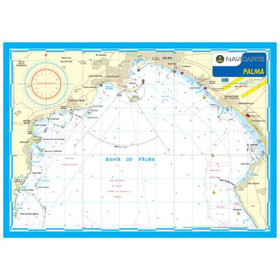
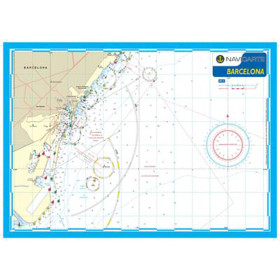
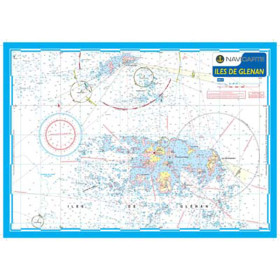
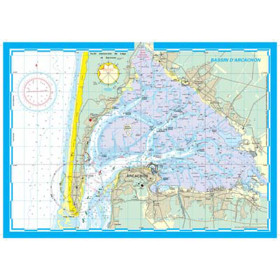
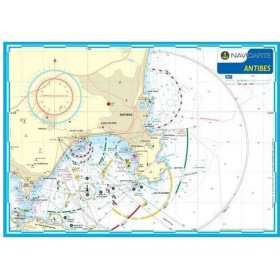
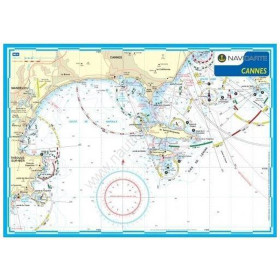
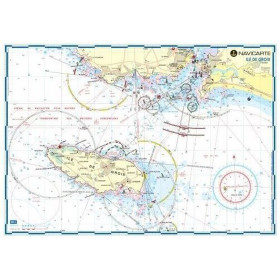
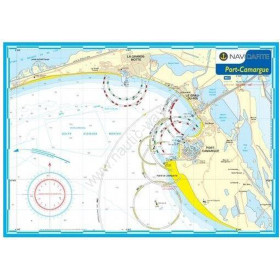
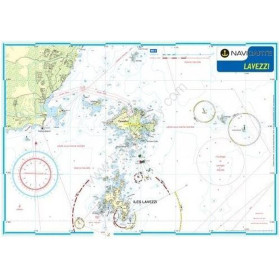
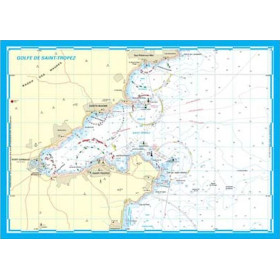
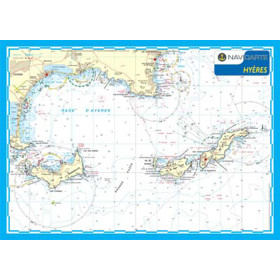
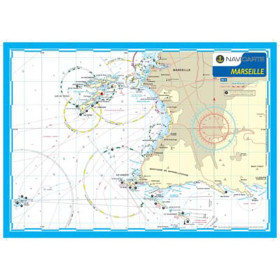
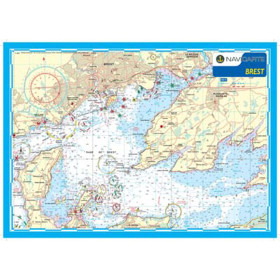
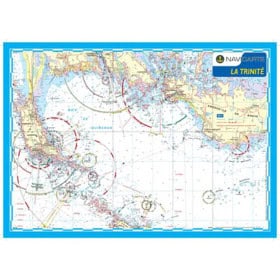
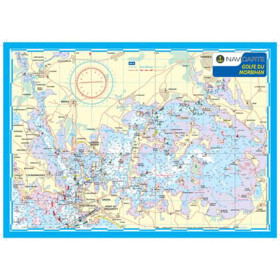
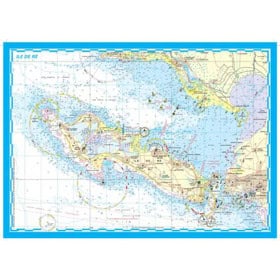
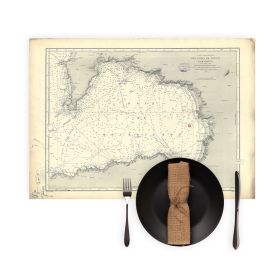
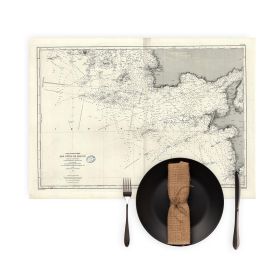
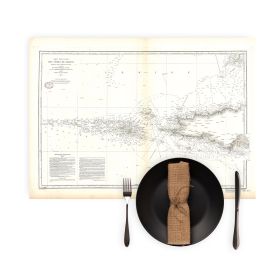
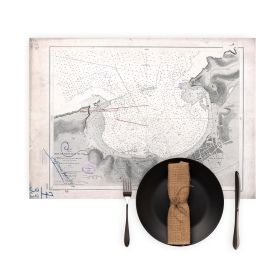
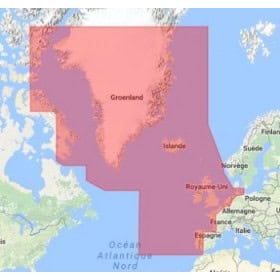
Navicarte nautical charts cover the main coastal and offshore navigation areas frequented by recreational boaters in France and Spain: coastlines, port approaches, transit areas, anchorages, and regulated zones. They are designed for real-world use at sea, whether for a day trip, a coastal cruise, or more demanding navigation.
Choosing a nautical chart suited to your sailing area and practice is a key safety issue. The accuracy of depths, the readability of buoyage, and the currency of information directly affect the quality of decisions made on board. An unsuitable chart or one that is purely digital can quickly show its limits.
A Navicarte chart is an active navigation tool, used before and during navigation. It allows you to plan a coherent route, anticipate hazards, understand the configuration of a coastline or port approach, and select suitable shelters or anchorages based on conditions.
Unlike digital media, a paper chart provides an immediate overall view of the sailing area. It helps you step back, anticipate several routing options, and remains usable without power or signal, making it a key element of onboard safety.
Navicarte charts are intended for all recreational boaters.
Beginner sailors use them to learn chart reading and develop good navigation habits. Experienced sailors rely on them to prepare complex passages and secure their decision-making. Regular sailors or instructors use them as a reference tool alongside electronic navigation.
They are suitable for daytime or nighttime navigation, occasional or regular use, and should always be used in combination with a GPS or chartplotter.
The scale of Navicarte charts is chosen to provide a balance between level of detail and overall visibility. It allows accurate navigation close to the coast while maintaining a clear view of surrounding areas.
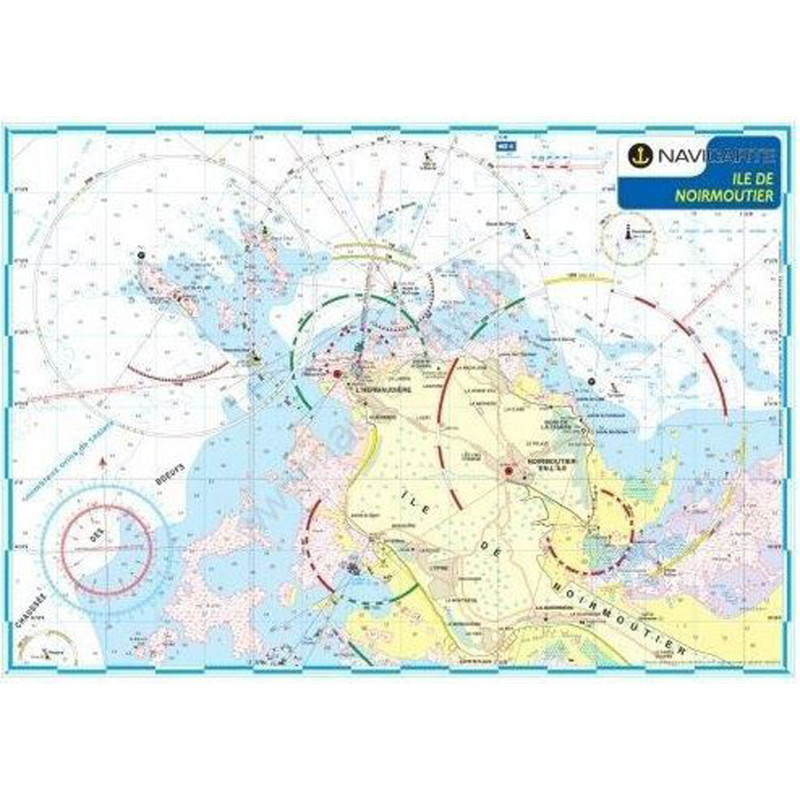
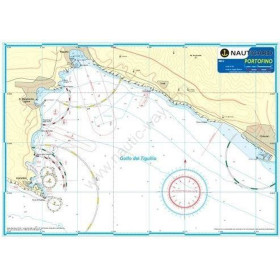
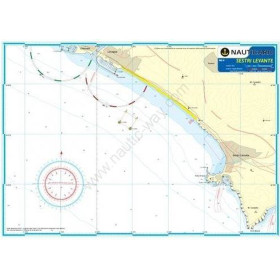
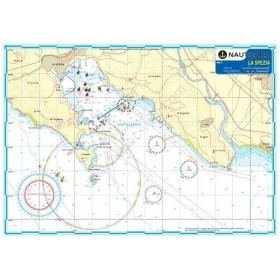
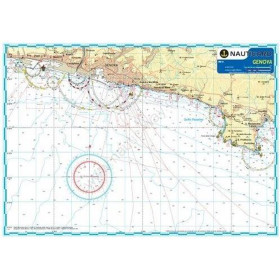
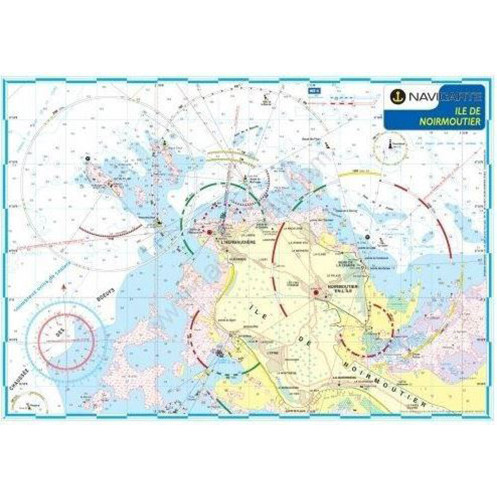
All essential information is included: easy-to-read color codes, soundings and seabed nature, lateral and cardinal marks, lights and sectors, isolated dangers, ports, anchorages, and coastal landmarks. Proper understanding of these elements allows the chart to be used as a true decision-support tool.
| Chart type | User | Area |
| Navicarte folded chart | for boaters | Nautical chart covering a large coastal navigation area |
| Navicarte folio chart | for boaters | The folios are composed of about ten sheets of nautical charts covering the navigation area: from detailed charts of marinas and anchorages to large-scale crossing charts |
| Navicarte Mininav chart | for dinghies and kayakers | Laminated nautical chart covering a very small area, A3 |
Navicarte charts are produced from official data and are regularly updated. The edition date is essential, as changes in buoyage or recent regulations must be included to ensure safety.
They are compatible with modern positioning systems, notably the WGS 84 reference system, ensuring consistency between GPS position and paper chart reading.
Best practices include checking the edition date before the season, consulting notices to mariners, and never navigating using screens alone.
Digital charts enable real-time tracking, while paper charts support planning, anticipation, and verification. In the event of electronic failure, stress, or poor visibility, the paper chart remains a reliable and autonomous reference.
Navicarte is recognized for the clarity and readability of its charts, designed specifically for recreational and coastal navigation. Information is structured to remain usable in real conditions.
At Nautic Way, each chart is selected according to precise professional criteria: relevance of the covered area, consistency of scale, and reliability of the edition, ensuring that only truly useful charts are offered, backed by expert advice.
Navicarte uses a latex-coated paper designed to resist moisture (rain, spray) while allowing users to write and erase navigation information. It offers good resistance to folding, even when wet, providing a satisfactory service life.
Charts are bilingual (French/English), feature simple legends and color coding for ease of use, and have a folded format of 166 × 315 mm. Depending on the area, they may include one or more insets (usually ports) and be printed on one side or double-sided.
A Navicarte nautical chart is much more than a paper medium: it is a strategic navigation tool at the heart of safe and responsible seamanship. Carefully selected by Nautic Way, it supports the navigator from the very first stages of route planning, where the most critical decisions are made.
You might also like