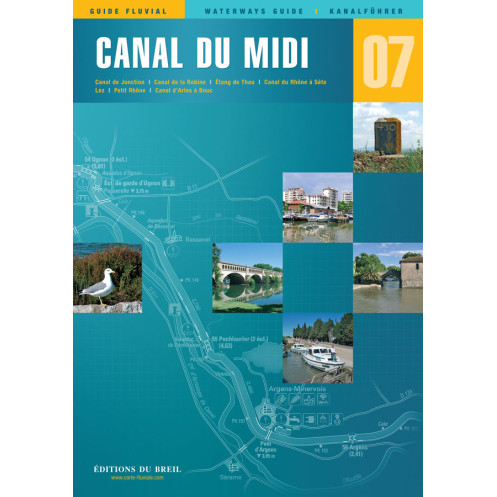
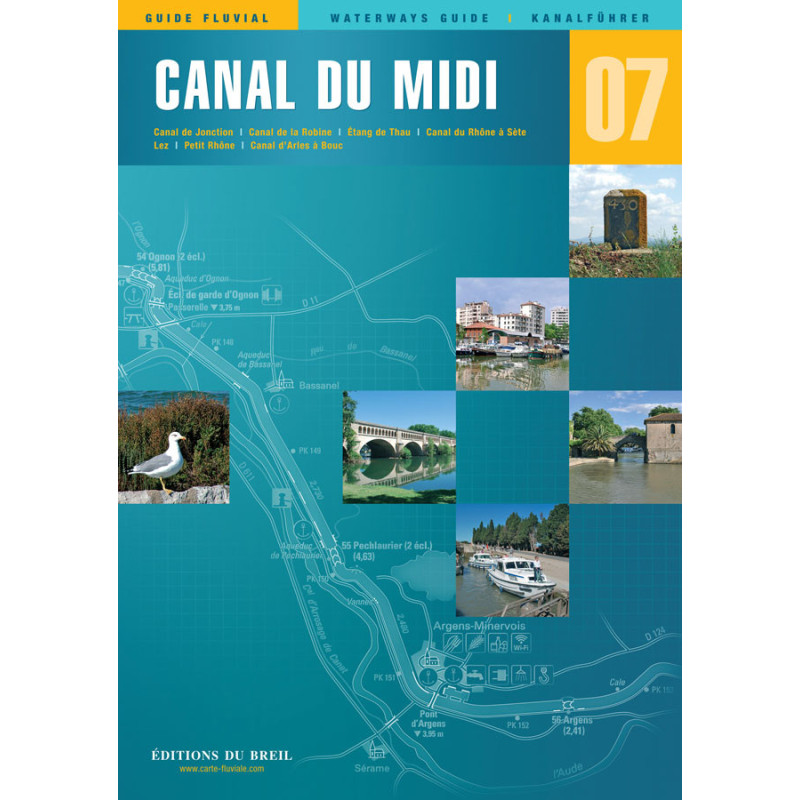
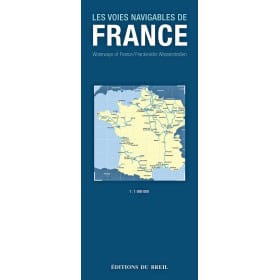
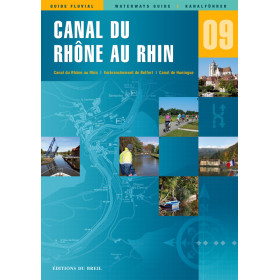
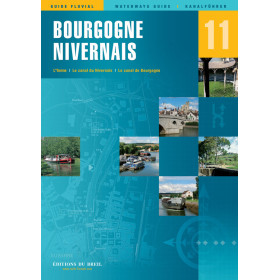
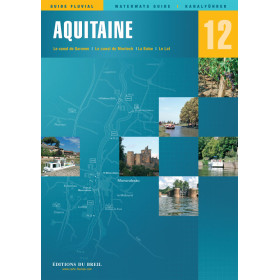
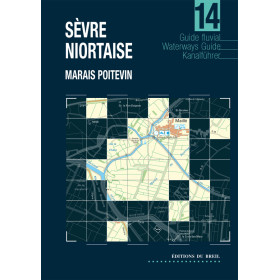
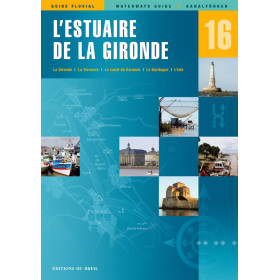
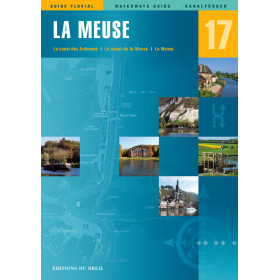
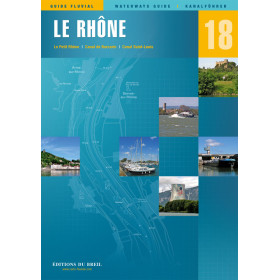
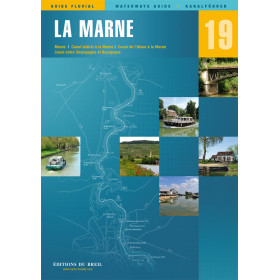
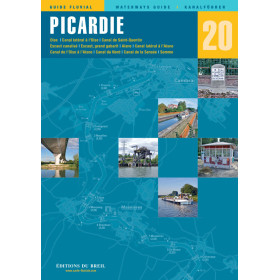
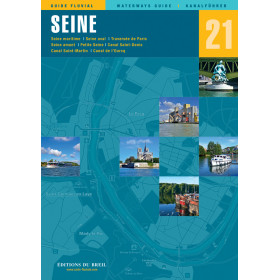
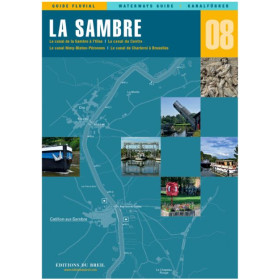
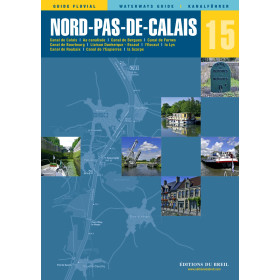
This Editions du Breil paper River chart (folio chart) covers the area Canal du Midi.
The inland waterway charts from Éditions du Breil cover a wide network of navigable routes: canals, engineered rivers, major rivers, and inland connections across France and Europe.
Unlike maritime navigation, inland navigation comes with specific constraints: lock dimensions, bridge clearances, varying currents, local regulations, and dense infrastructure. These factors make it essential to use appropriate, dedicated cartography.
Whether you are planning a cruise along the Canal du Midi, navigating the Seine, or traveling along the Rhine, choosing accurate and up-to-date inland charts is essential for safe navigation, efficient route planning, and anticipation of navigational constraints.
What are inland waterway charts used for?
An inland chart is not just a geographic representation—it is an operational navigation tool that supports every stage of your journey.
Practical uses
- Route planning: understanding connections between canals and rivers
- Lock navigation: identifying location, dimensions, and operation
- Day-to-day navigation: following your route with precision
- Managing constraints: bridge heights, draft limitations, regulated areas
- Identifying stops: harbors, mooring areas, and facilities
Real-life situations
- Planning a day involving multiple lock passages
- Checking bridge clearance based on water levels
- Identifying a safe place to moor overnight
- Adjusting your itinerary due to temporary restrictions
Value compared to digital tools
While apps exist, paper inland charts remain essential:
- Provide a complete overview of the route
- Help understand sequences of locks and structures
- Offer a reliable backup without technological dependency
They allow you to anticipate rather than react.
Who are these charts for?
Éditions du Breil charts are suitable for a wide range of inland navigators.
Beginner inland navigator
- Ideal for discovering inland waterways
- Clear and progressive reading
- Helps understand specific inland navigation rules
Experienced navigator
- Reliable tool for planning complex itineraries
- Detailed and structured information
Professional or charter user
- Helps secure routes
- Useful for optimizing navigation time
Navigation conditions
- Day navigation: identifying landmarks and infrastructure
- Slow and steady cruising: typical inland navigation
- Occasional navigation: easy to use for planning
- Extended cruising: essential for continuity of travel
These charts support decision-making and route planning.
Reading and understanding the chart
A scale adapted to inland navigation
Inland charts use a scale designed to:
- Show continuous navigation routes
- Clearly identify infrastructure
- Represent realistic distances
The goal is operational clarity, not excessive detail.
Key information included
- Waterway routes
- Locks (dimensions, numbering, operation)
- Bridges (air draft/clearance)
- Ports, mooring areas, and facilities
- Distances between key points
- Regulated or restricted zones
What the navigator must understand
- Inland navigation symbols
- Draft and air draft limitations
- Lock sequences and timing
- Practical navigation information (services, access)
Good chart reading prevents delays and navigational issues.
Reliability, updates, and safety
Recognized inland expertise
Éditions du Breil rely on:
- Data from waterway authorities
- Regular updates
- Strong field experience in inland navigation
Importance of updates
Inland waterways change over time:
- Lock maintenance or closures
- Regulatory updates
- Infrastructure modifications
An outdated chart can lead to unexpected difficulties.
Best practices
- Always check the edition date
- Follow navigation notices and local information
- Cross-check with authorities such as VNF (Voies Navigables de France)
Safety depends on reliable and current information.
FAQ – Inland waterway charts
Which inland chart should I choose for my route?
It depends on your itinerary:
- Single waterway → dedicated chart
- Multi-region cruise → multiple charts required
Ideally, cover your entire route in advance.
Is one inland chart sufficient?
No.
- It should be complemented with local information
- Conditions can change along the route
How often should inland charts be updated?
- Every 3 to 5 years
- Or sooner if major changes occur
Always verify the latest information.
Can inland charts be used with GPS?
Yes.
- They allow position tracking
- They complement electronic navigation tools
They remain a key visual reference.
What is the difference with marine charts?
- Inland charts include locks, bridges, and draft limitations
- Marine charts focus on depths and coastal navigation
They serve different but complementary purposes.
Are inland charts suitable for recreational boating?
Yes, absolutely.
- Perfect for canal cruising
- Ideal for houseboats and pleasure craft
They are the primary tool for inland navigation.
Conclusion
Éditions du Breil inland waterway charts are designed to support navigators at every step of their journey through inland waterways. They provide clear information, structured navigation data, and essential support for safe decision-making.
Choosing these charts through Nautic Way means benefiting from a curated selection and expert guidance tailored to real navigation needs.
On inland waterways, as at sea, safe navigation always begins with a clear understanding of your environment.