



This 1854 memoir exposes the brutal slave trade along the Guinea coast (1820–1840). A raw account of voyages, crimes, and moral failings, it serves as both a historical record and a haunting warning.
Data sheet
Specific References
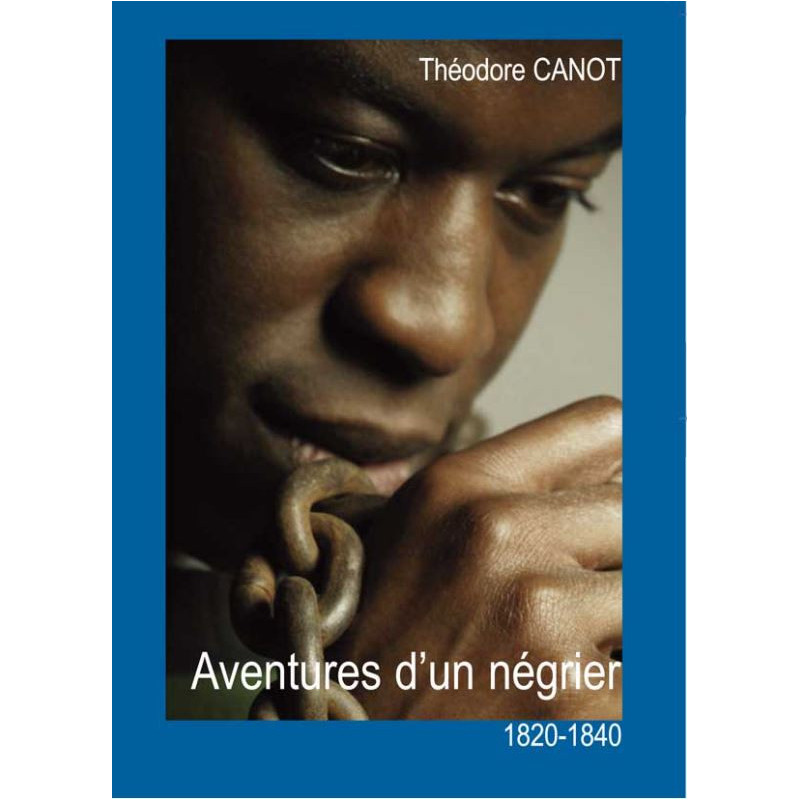
Dive into the raw and unfiltered narrative of Captain Théodore Canot, a slave trader whose life unfurled along the coasts of Guinea between 1820 and 1840. This book is not just a historical document—it’s a visceral journey into the heart of one of humanity’s darkest chapters, offering an unvarnished look at the brutal realities of the transatlantic slave trade. Originally recounted in 1854, this French-language edition, published in 2008, brings to light a story that is as compelling as it is unsettling, blending adventure with the stark truths of a bygone era.
What sets this book apart is its authenticity. Unlike secondhand accounts or academic analyses, *Adventures of a Slaver 1820-1840* is a first-person confession, a rare window into the mindset of a man who participated in the trafficking of gold, ivory, and human beings. Canot’s narrative is both fascinating and disturbing, offering a stark contrast between the allure of adventure and the horrors of slavery. It’s a story that doesn’t shy away from the grim details, making it an essential read for anyone seeking to understand the complexities of the slave trade and its lasting impact on history.
Beyond its historical significance, this book is a masterful depiction of life at sea and on the African coast during the early 19th century. Canot’s descriptions of navigation, landscapes, and the daily operations of a slaving vessel are meticulously detailed, transporting readers to a time when the world was still being charted—and exploited. Yet, it’s the moral landscape that lingers longest. Canot’s lack of remorse, his matter-of-fact recounting of crimes against humanity, serves as a chilling reminder of how easily civilization can fracture under the weight of greed and indifference.
More than just a tale of adventure, *Adventures of a Slaver 1820-1840* is a cautionary tale. It forces readers to confront uncomfortable truths about the fragility of human morality and the ease with which societies can justify atrocities. By presenting history through the eyes of a participant, the book challenges us to reflect on the lessons of the past—and the dangers of forgetting them. Whether you’re a history enthusiast, a student of human nature, or simply someone drawn to powerful storytelling, this book will leave an indelible mark.
Uncover the Untold Story of the Transatlantic Slave Trade
Step into the shadowy world of 19th-century maritime history with *Adventures of a Slaver 1820-1840*, a gripping firsthand account that lays bare the brutal realities of the slave trade. This book isn’t just a historical document—it’s a raw, unfiltered confession from Captain Théodore Canot, a man who trafficked in gold, ivory, and human lives along the coast of Guinea. Originally shared in 1854 and published in French in 2008, this narrative offers a rare and unsettling glimpse into the mindset of a slaver, blending adventure with the stark horrors of an era that shaped the modern world.
A Rare Window into the Past
What makes this book truly unique is its authenticity. Unlike academic studies or secondhand retellings, *Adventures of a Slaver 1820-1840* is a first-person testimony, offering an unvarnished look at the operations of a slave ship. Canot’s story is as fascinating as it is disturbing, detailing the logistics of the trade, the landscapes of the African coast, and the moral ambiguities of a time when slavery was an accepted—if not celebrated—part of global commerce. This 240-page paperback edition, measuring 22 x 15 x 2.1 cm and weighing 387 grams, is a compact yet powerful portal to the past, designed for readers who seek more than just surface-level history.
More Than Just a Story—An Ethical Mirror
Beyond its historical and navigational details, this book serves as a stark reminder of the fragility of civilization. Canot’s lack of remorse, his matter-of-fact descriptions of crimes against humanity, force readers to confront uncomfortable questions about morality, power, and the ease with which societies can justify atrocities. It’s a narrative that doesn’t just inform—it challenges, provokes, and lingers long after the last page is turned. Perfect for history buffs, students of human nature, and anyone drawn to stories that push boundaries, *Adventures of a Slaver 1820-1840* is a book that demands to be read—and remembered.
This 2008 French-language edition of *Adventures of a Slaver 1820-1840* is a meticulously crafted paperback, spanning 240 pages of gripping narrative. Measuring 22 x 15 x 2.1 cm and weighing 387 grams, it’s a compact yet immersive read, originally translated from English. With its Dewey classification of 914, this book bridges the gap between historical testimony and literary adventure, offering a tangible connection to a pivotal—and troubling—era in global history.
For decades, this publisher has specialized in bringing maritime history to life, offering readers a curated selection of narratives that explore the high seas, naval adventures, and the often-unspoken stories of those who shaped maritime culture. With a commitment to authenticity and depth, their catalog includes firsthand accounts, historical analyses, and gripping tales that transport readers to the heart of the world’s oceans.
The book was originally written in English before being translated and published in French.
The book contains 240 pages.
The dimensions are 22 x 15 x 2.1 centimeters.
The book weighs 387 grams.
The author is Théodore Canot, a captain who recounts his experiences between 1820 and 1840.
Yes, it is a truthful account of the author’s life and adventures as told in 1854.
It covers historical events related to gold, ivory, and slave trading on the Guinea coast, including detailed descriptions of navigation, landscapes, and the era’s mindset.
You might also like